

If your fiddle leaf fig keeps dropping leaves, or your seed-starting tray is stuck in a north-facing window, the right grow light changes everything. I’ve watched ailing pothos recover and stubborn herbs finally take off once the lighting situation improved. This lineup covers everything from single-plant clip-ons to full quantum-board setups, so you can match wattage, spectrum, and footprint to the room you actually have.
The Choices Worth Comparing

GLOWRIUM 48W Grow Lights with Stand, Full Spectrum

HLG 600 Rspec FR 600W LED Quantum Board Grow Light

DOMMIA Under Shelf Grow Light, Daylight White

DOMMIA Under Shelf Grow Light, Pinkish White

DOMMIA Under Shelf Grow Light, Full Spectrum

VIIVUU Grow Lights, Clip-On Plant Light
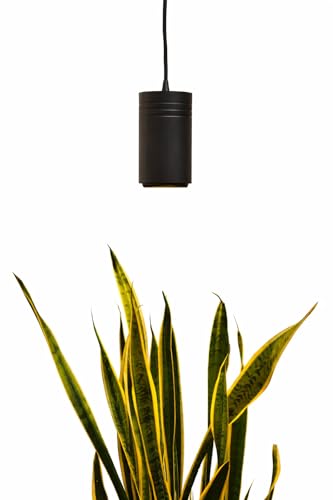
Soltech Aspect Gen 2 Pendant Grow Light
A Deeper Look At The Lineup
This freestanding tower-style fixture is built for someone who wants to slide it next to a tall floor plant and forget about it. The telescoping pole extends upward, so a monstera or a fiddle can sit directly underneath while the lamp head hovers above the canopy.
Full-spectrum output covers seedlings through flowering, which means you can keep the same light through the plant’s life stages without swapping bulbs. Stepless dimming and three mode switches let you dial intensity for delicate starts or hungry greens.
What Earns Its Place
- Tall, four-section pole reaches about 79 inches, so even a sizable floor plant gets coverage without a stool or shelf
- Stepless dimming from a soft glow to full intensity, so seedlings and mature foliage both get the right level
- Three light modes for vegetative growth, flowering, or a balanced blend across the plant’s life cycle
- No mounting or tools needed, just place the base, extend the pole, and plug it in
- Enlarged lamp head spreads light wider than a single bulb, so trailing or multi-stem plants stay evenly lit
Things To Consider
- The floor base takes up corner space, so small apartments may need to nudge furniture around it
- Higher output means it draws more power than a simple clip-on, which matters on energy-conscious setups
Feature Snapshot
Who It Suits Best
Plant parents with one or two tall floor plants who want a no-install setup that adjusts as the plant grows.
Consider Something Else When
The HLG 600 Rspec FR is a smarter match for anyone running a full 4×4 grow tent with multiple plants rather than a single specimen.
This is the workhorse choice when a small houseplant light just won’t cut it. The HLG 600 Rspec FR is a quantum-board fixture designed to bathe a 4×4 grow tent in intense, full-spectrum light, the kind of output you’d want for fruiting tomatoes, dense herbs, or flowering houseplants that refuse to bloom on a windowsill.
Quantum-board designs spread dozens of small diodes across a flat panel, which gives more even coverage than a spotlight-style lamp. The result is fewer hot spots and stronger penetration through the canopy, so lower leaves stay productive.
What Pays Off
- High-output quantum-board panel built around a 4×4 tent footprint, so a serious indoor garden gets uniform coverage
- Full-spectrum diodes support everything from leafy herbs to flowering and fruiting plants
- Dimmable driver lets you back off intensity for seedlings or push full power for mature, hungry crops
- Even light spread reduces the leggy stretching you sometimes see under single-bulb fixtures
Worth Noting
- The panel runs warm and needs airflow around it, so plan for ventilation or a tent setup
- It’s overkill for a single pothos on a bookshelf, and the price climbs well above simple consumer fixtures
Feature Snapshot
Made For
Experienced growers running a tent or dedicated grow space who want commercial-grade output and don’t mind the extra ventilation.
Skip It When
The GLOWRIUM 48W stand is the friendlier fit for a living room with a single tall plant rather than a full indoor garden.
Under-shelf panels are the secret weapon of anyone running a tight seedling operation on a kitchen counter. This DOMMIA model is just 0.28 inches thick and roughly 4 inches square, so it tucks under a cabinet or floating shelf without looking like a science experiment.
The daylight-white tone leans bright and clean, which works well for starting herbs, microgreens, or a small tray of seedlings. The built-in timer and dimmer sit on a USB-powered controller, so there’s no extra wall plug to chase.
Everyday Perks
- Ultra-slim 0.28-inch panel slides under most shelves and tucks out of sight
- Built-in controller combines the timer and dimmer in one USB-powered unit, fewer cables to manage
- Daylight-white tone suits leafy herbs and seedlings that need clean, bright light to stay compact
Trade Offs
- Coverage area is small, so a flat of starter trays or a single herb shelf is the realistic ceiling
- The daylight tone reads cooler than warm-white bulbs, which some people find harsh in a living area at night
Best Suited To
Apartment dwellers with a single shelf of herbs or seedlings who want a clean look and no bulky hardware.
Look Elsewhere When
The Soltech Aspect Gen 2 pendant makes more sense for an open living space where the light itself becomes part of the decor.
Same slim 4×4-inch panel as the daylight version, but this one tilts toward a pinkish-white tone that feels softer on the eyes. In a living room or bedroom shelf, that matters: the harsher bluish-white can feel clinical after sunset.
The warmer cast still drives photosynthesis, since plant-usable wavelengths sit across the spectrum. It’s a smart swap when the shelf sits somewhere you actually sit and read.
Notable Upsides
- Pinkish-white cast looks gentler in living areas than cool daylight tones
- Slim 0.28-inch profile hides under most shelves with no visible hardware
- USB-powered controller combines the timer and dimmer in one tidy unit
Honest Caveats
- Coverage is still limited to a small shelf footprint, so larger plants won’t get enough light from a single panel
- The warmer tone shifts the look of nearby decor, which some people love and others find unusual at first
Who Will Love This
Plant owners displaying greenery on open living-room shelves who want the light to feel like part of the room rather than a grow lamp.
Swap It Out When
The DOMMIA Full Spectrum panel is the better pick for someone starting vegetables or fruiting crops that lean on a broader light mix.
This third DOMMIA panel is the most flexible of the bunch. The full-spectrum output covers the wavelengths plants use most, so the same fixture can start a tray of lettuce and then carry leafy herbs through to harvest on the same shelf.
The 6/12/16-hour auto timer and four brightness levels let you dial a schedule and walk away, and the controller remembers the last setting after a power blip, which is a small touch that saves real frustration.
Where It Excels
- Full-spectrum light supports seedlings, leafy greens, and small fruiting plants from the same fixture
- Auto timer with 6, 12, or 16-hour cycles keeps a consistent schedule without daily manual switching
- Power-loss memory restores the last brightness and timer setting after an outage
- Four-level dimmer (25 to 100 percent) handles everything from sprouts to mature herbs
Points To Note
- A single 4×4-inch panel covers a small footprint, so multiple units may be needed for a long shelf
- USB power means it pulls from a wall adapter, and outlets behind shelves can be hard to reach
Feature Snapshot
The Right Fit
Edible-garden growers running a shelf of herbs or salad greens who want a hands-off, set-and-forget schedule.
A Better Fit Elsewhere
Choose the GLOWRIUM 48W stand for a single tall floor plant rather than a horizontal shelf of greens.
Sometimes all you need is a small light clamped onto one stubborn plant. The VIIVUU clip-on is built for exactly that: it grips a pot rim or shelf edge, or you can swap the clamp for the included soil stake and push it directly into the planter.
The hollow ring around the lamp head keeps the unit light enough to stay put without tipping smaller pots. It’s a low-fuss option for a single struggling plant rather than a whole shelf.
Useful Strengths
- Strong clamp grips pot rims, shelves, or narrow edges without slipping
- Soil stake option lets the light sit directly in the planter for taller stems
- Lightweight ring-style head won’t topple small or top-heavy pots
A Few Limitations
- Coverage is narrow and aimed at one plant, so a multi-plant shelf will need several units
- The simple clip design lacks a built-in timer, so daily on-off routines fall on you
Whose Shelf It Belongs On
Anyone nursing one specific plant back to health, or a beginner who wants to try a grow light before committing to a bigger setup.
Reach For A Different Pick When
The DOMMIA Full Spectrum shelf panel is the better answer for a row of herbs that share a single timer and dimmer.
Most grow lights are easy to spot, and most of them don’t belong in a styled living room. The Soltech Aspect Gen 2 flips that script: it’s a pendant fixture designed to look like real home lighting, with a warm-white glow you’d be happy to hang over a reading chair.
Underneath that designer exterior sits a high-output LED engine that delivers noticeably more plant-usable light than the original Aspect. You get the warm ambiance and the growth benefit in one fixture.
Everyday Wins
- Pendant styling reads as home decor rather than a grow lamp, so it suits living rooms and bedrooms
- Higher output than the first-gen Aspect, supporting stronger growth in the same footprint
- Warm-white tone stays gentle on the eyes during evening hours
- Dimmable so you can tune brightness to the room and the plant’s stage
Where It May Fall Short
- It commands a noticeably larger investment than utilitarian clip-on or shelf models
- Pendant mounting means you need a ceiling hook or a place to route the cord cleanly
Feature Snapshot
Built With In Mind
Design-conscious plant owners who want a pendant that earns its place in a styled room and still pushes plants forward.
Where A Sibling Pick Shines
The GLOWRIUM 48W stand makes more sense for a tall floor plant that needs height adjustment rather than overhead lighting.
What Matters Most Before Choosing Led Grow Lights For Indoor Plants
Match Wattage And Spectrum To Your Plant Goals
The wattage tells you how much light energy the fixture throws at your plants, and the spectrum tells you which wavelengths are included. Full-spectrum panels cover the range plants use for photosynthesis, while targeted blue or red tones lean toward specific stages like leafy growth or flowering. For most living-room setups with mixed houseplants, a full-spectrum option keeps things simple. Seed-starting gardeners and edible growers benefit from the same since seedlings and leafy greens both lean on those wavelengths.
Footprint And Mounting Style Drive Daily Use
A 4×4 quantum board only earns its keep in a tent, while a slim under-shelf panel makes sense above a narrow herb row. Think about where the light actually lives in your room: a clamp-on for a single pot, a pendant for an open ceiling, a tall stand for a corner specimen. The mounting style shapes how often you’ll actually use it, so pick the one that fits your routine.
Built-In Timers And Dimmers Reduce Daily Friction
A timer keeps a consistent photoperiod (the daily cycle of light and dark a plant receives) without daily on-off routines, and a dimmer lets you back off intensity for seedlings. Look for memory functions that restore settings after a power blip, since resetting a schedule every morning defeats the purpose. A USB-powered controller that combines both features trims cable clutter on tight shelves.
Heat, Ventilation, And Long-Term Reliability
Higher-output panels run warm, so airflow matters in any enclosed setup. Lower-wattage under-shelf and clip-on fixtures stay cool enough for living spaces, but a quantum board or pendant in a small room can nudge temperatures up. Common-sense placement keeps both the plants and the fixture happy through long-term use.
Key Considerations Across These Picks
Common Shopping Slip Ups
The most common mistake I see is buying a light that’s too small for the actual plant footprint. A single under-shelf panel covers a small shelf, not a row of pots across a wide window. Measure the area you want lit before you choose, and remember that hanging a panel higher than recommended cuts intensity fast. The second slip is ignoring spectrum, since a warm-only bulb won’t drive seedlings the way full-spectrum output will.
What The Higher Tier Buys
Stepping up to a premium pendant or a quantum board typically buys more uniform coverage, higher output, and longer diode life. That matters for serious indoor gardens and design-led rooms, where a basic clip-on would look out of place or fall short on coverage. For a couple of houseplants, the premium tier is nice but rarely necessary, while a full herb shelf or fruiting setup starts to justify the extra spend.
Frequently Asked Questions
How far should a grow light sit from my plants?
Most under-shelf and panel-style lights work well about 6 to 12 inches above the canopy, while higher-output quantum boards usually hang 18 to 24 inches up to spread intensity. Adjust based on how your specific plant responds, since leaf bleaching or stretching are signs the distance needs tweaking.
Do full-spectrum lights really work for houseplants?
Yes, full-spectrum output covers the wavelengths plants use most across their life cycle. For mixed houseplants, herbs, and seed starting, a full-spectrum panel is the simplest choice since you don’t need to swap fixtures as the plant grows.
Can I leave a grow light on all day?
Plants need a dark rest period, so leaving a light on 24/7 can stress them and stunt growth. Most houseplants and herbs do well with 12 to 16 hours of light per day, which is why built-in timers are worth seeking out.
Are LED grow lights expensive to run?
LEDs draw less power than older fluorescent or HID setups for the same output, so daily running costs stay modest for a single shelf or pendant. Larger quantum-board setups draw more, so the cost climbs for full-room or tent gardens.
Do I need different lights for seedlings versus flowering plants?
Not necessarily, since full-spectrum fixtures cover both stages from the same panel. Dedicated blue-leaning or red-leaning lights can fine-tune results, but most home growers do fine with a single full-spectrum light that carries plants from start to finish.
Wrap Up
The right grow light comes down to where it lives and what you’re growing. A slim under-shelf panel works for a kitchen herb row, a tall stand suits a single floor specimen, and a quantum board earns its space in a serious indoor garden. Pick the one that fits your room, your routine, and the plants you actually want to grow, and the rest tends to fall into place.