

Most people don’t think about the air handler humming in their basement or attic until something smells off, or someone in the family starts sneezing more than usual. That’s where HVAC UV lights come in, working quietly inside the ductwork to cut down on biological buildup that mechanical filters alone miss. I put this list together for homeowners who want a real upgrade to indoor air quality without overhauling the entire HVAC system.
The Picks In Brief
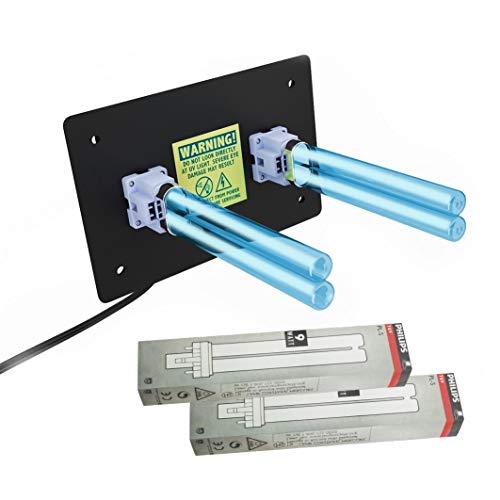
Air Purifier Whole House UV Light for HVAC Duct + 2 Replacement Bulbs

TURBRO 72W HVAC UV Light with Airflow Sensor UV72PA
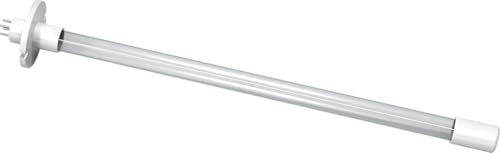
Fresh-Aire UV Replacement UV-C Lamp 15″

APCO Carbon Cell Matrix HVAC UV Air Purifier TUV-APCO-ER

Fresh-Aire UV 24V HVAC UV Light Air Purification System

WJL-6000PRO Refrigerant Leak Detector for HVAC

TrueFit Air Scrubber Plus PCO 9″ Replacement Cell and UV Bulb
Taking A Closer Look At The Options
The D200 PCO whole-house UV unit drops straight into the supply or return side of a standard 1-5 ton air handler and starts working once power is connected. A built-in sight glass lets you confirm the lamp is firing without cracking open the duct, which is the kind of detail that matters when the system lives above a drop ceiling. Two extra bulbs ship in the box, so the first year of ownership is essentially covered.
This is a friendly first UV install for someone renting a duct saw for the first time, since the learning curve stays low. The germicidal wavelength of 253.7 nm is the standard band for breaking apart microbial DNA, so it pairs well with a MERV-rated filter rather than replacing one. For households dipping a toe into UV without committing to a more advanced system, the value here is hard to beat.
A Few Strong Suits
- Comes with two spare lamps so a year of operation costs nothing extra beyond electricity.
- Sight glass gives a quick visual check that the bulb is actually lit, no disassembly needed.
- Electronic ballast runs cool and steady, which tends to extend lamp life compared to magnetic ballasts.
- Fits air handlers from 1 to 5 tons, covering nearly every standard residential setup.
Things To Consider
- Bulbs are rated to lose effectiveness around the 12-month mark, so a yearly replacement schedule is part of ownership.
- Older air handlers may need an electrician to add a dedicated outlet near the duct opening.
Who It Suits Best
A first-time UV installer with a standard residential furnace and a desire for a low-cost, self-contained entry point.
Where Another Pick Suits Better
Households dealing with stubborn VOCs or pet odors should look at the Fresh-Aire UV TUV-APCO-ER, whose carbon matrix tackles gases this lamp doesn’t touch.
Where the D200 above runs a single lamp at modest wattage, TURBRO pushes a 72W output through its UV72PA unit, and that headroom matters in larger homes where the same air keeps recirculating past one bulb. The airflow sensor turns the lamp on only when the system actually runs, which saves bulb life during mild shoulder seasons. ETL listing and EPA/CARB compliance mean ozone stays under 0.05 ppm, so it’s safe to run in occupied spaces.
This is the kind of unit I’d suggest for someone with a 4-5 ton system or a home where someone has respiratory sensitivities. The 253.7 nm wavelength is the same germicidal band as smaller lamps, just delivered with more intensity. A slight odor on first startup is normal and should fade after a day or two of run time.
Where It Delivers
- 72W output clears the air faster in larger duct runs where lower-wattage lamps struggle to keep up.
- Airflow-triggered operation stretches bulb life and trims electricity use during mild weather.
- ETL safety listing plus EPA and CARB compliance keeps indoor ozone near zero, so running it 24/7 is reasonable.
Honest Caveats
- The higher wattage means the lamp housing runs warmer, which can shorten nearby filter media if the install sits too close.
- Initial smell during the first hours of operation catches some owners off guard, even though it’s expected.
Built With In Mind
Homeowners with bigger air handlers or multi-zone systems who want stronger UV coverage than a basic lamp provides.
A Better Fit Elsewhere
For a smaller 1.5-ton apartment system, the D200 whole-house lamp above is more than enough output at a friendlier price.
This isn’t a full UV system, it’s the genuine replacement lamp for owners who already run a Fresh-Aire Blue Tube, AHU Series 1, or APCO MAG 15. The 15-inch hard quartz tube holds up to the heat of an air handler better than generic glass, and the 254 nm UV-C output is warrantied for a full year of effective germicidal action.
I think of this as the “right lamp, right fit” choice for anyone who tried off-brand bulbs only to find the wavelength drifted or the filament burned out early. Verifying the model number of the existing housing before ordering is non-negotiable, since the wrong 15-inch lamp won’t seat properly in the connector.
Useful Strengths
- Genuine OEM part, so UV-C output stays within the 254 nm window Fresh-Aire designed the housing around.
- Hard quartz construction handles the heat inside an air handler better than generic glass alternatives.
- One-year effective life means an easy calendar reminder: replace every January, done.
A Few Limitations
- Only fits specific Fresh-Aire models, so confirm the housing label before clicking buy.
The Right Fit
An existing Fresh-Aire system owner doing scheduled annual maintenance who wants the manufacturer’s own replacement lamp.
Skip It When
Shoppers who don’t already own a matching Fresh-Aire housing should look at a complete kit like the Fresh-Aire UV 24V system below instead.
Most UV lights only attack what passes through the lamp’s beam, but the APCO TUV-APCO-ER layers an activated-carbon matrix underneath the UV-C source. Odors and VOCs get adsorbed onto the carbon, then the UV catalyzes them into harmless byproducts, which is a fundamentally different approach than the D200 unit I covered first. The included power cord works with the 18-32 VAC typical of furnace control boards, so wiring stays simple.
This is the upgrade path for households dealing with lingering cooking smells, new-construction off-gassing, or a household smoker. Compared to the simpler Fresh-Aire UV 24V system covered later, the carbon stage adds real VOC handling, not just microbial control. It’s also notably heavier and takes up more duct space, so installation planning matters.
The Case For It
- Activated carbon plus UV handles both particulates and gaseous pollutants that standard UV lamps leave alone.
- Plugs directly into the 24V furnace circuit, avoiding the need for a separate outlet.
- Useful for households with VOCs, pets, or persistent odors that a basic UV lamp can’t touch.
Points To Keep In Mind
- The carbon matrix requires periodic replacement on a multi-year cycle, an extra ownership cost to plan for.
- Larger physical footprint means duct clearance has to be measured before ordering.
Who Should Grab It
Homeowners with noticeable indoor odor or VOC issues who want germicidal UV plus chemical control in a single install.
Look Elsewhere When
Someone whose main goal is preventing microbial growth on the coil, with no real odor problem, can save money with the Fresh-Aire UV 24V system below.
The Fresh-Aire UV 24V system is the workhorse pick for homeowners who want a UV install that draws power directly from the furnace board. The 254 nm germicidal wavelength keeps coil surfaces clear of biological growth, and the compact housing fits inside most air handlers without duct modification. It’s also built in the USA, which matters to shoppers who want domestically manufactured components in their mechanical room.
Compared to the carbon-equipped APCO, the Fresh-Aire UV 24V focuses purely on microbial control, no VOCs, no odors. For many homes that’s exactly the right scope: a cleaner coil, cleaner drain pan, and fewer musty smells from the ductwork. It’s also one of the more widely installed residential UV systems, so finding a tech familiar with it isn’t hard.
Bright Spots
- Draws power straight from the furnace, so no extra outlet or transformer is needed at the air handler.
- 254 nm wavelength aligns with the germicidal band proven effective against common household microbes.
- Compact housing fits inside most return-side air handlers with little or no duct rework.
Where It Is Less Suited
- It does not address VOCs or odors, so households with chemical sensitivity may need a carbon stage on top.
- Annual lamp replacement is part of the deal, since UV-C output drops off after roughly 9,000 hours.
Perfect Match For
A standard suburban home with a forced-air furnace where the goal is preventing microbial growth on the coil and in the drain pan.
Consider Something Else When
Households that also want to neutralize cooking odors, smoke, or chemical VOCs should choose the APCO TUV-APCO-ER above for its added carbon stage.
I’ll be honest: the WJL-6000PRO isn’t a UV light. It’s a refrigerant leak detector, and it earned its spot here because HVAC techs installing and servicing UV systems often need a precision tool for diagnosing line leaks on the same service call. Dual PPM and %LEL modes let it catch tiny pinhole leaks and also monitor A2L refrigerant safety thresholds in one tool.
The all-metal probe resists the dirt and moisture that ruin plastic sensors in real shop conditions. For a residential HVAC technician who already carries a basic UV light on the truck, this detector rounds out the diagnostic kit. It won’t be a fit for homeowners doing their own UV installs, but for pros it’s the kind of tool that earns its keep across hundreds of service calls.
A Few Highlights
- PPM mode catches micro-leaks that standard soap-bubble tests miss entirely.
- %LEL mode covers newer A2L refrigerants with the safety monitoring newer codes require.
- All-metal, dirt-resistant probe is built for shop and rooftop wear, not delicate lab use.
Things To Weigh
- This is a service tool, not a homeowner DIY device, and the price reflects professional use.
- Owners commonly report a learning curve in distinguishing PPM readings from background refrigerant traces.
Whose Shelf It Belongs On
An HVAC technician or serious DIYer diagnosing refrigerant leaks during installs or seasonal service.
Another Choice May Suit
Homeowners focused purely on indoor air quality should skip this entirely and pick a true UV system like the Fresh-Aire UV 24V above.
The TrueFit PCO replacement is for owners who already have an Air Scrubber Plus housing mounted to their central system and need to refresh the working guts. The 9-inch photocatalytic cell plus ozone-free UV bulb pair up to break down VOCs, surface contaminants, pet dander, and dust passing through the duct. Manufactured in Pasadena, California, by a veteran-owned shop, it’s a domestic replacement built to slot into a specific housing.
It’s worth flagging that this listing does not include the electrical housing itself, only the consumable cell and bulb. So it’s a maintenance item, not a starter kit. For households already running an Air Scrubber Plus, it’s the right refill, and the responsive customer support helps if the connection type isn’t obvious from photos.
Everyday Perks
- PCO technology tackles VOCs and odors, not just microbes, so the air feels cleaner between filter changes.
- Ozone-free operation is safe for households with kids, pets, or asthma concerns.
- Built in the USA with responsive support from a veteran-owned business.
Practical Considerations
- It’s a refill only, not a complete system, so buyers need the original Air Scrubber Plus housing already installed.
- Connection type varies by model year, so a quick check of the existing unit saves a return.
Best Suited To
Current Air Scrubber Plus owners doing their first annual cell and bulb swap.
Reach For A Different Pick When
Anyone without an existing Air Scrubber Plus housing should choose the APCO TUV-APCO-ER above for a complete carbon-plus-UV install.
What To Weigh Before Choosing HVAC UV Lights
Lamp wavelength matters more than wattage for actual germicidal work. The 253.7 to 254 nm band is the range proven to disrupt microbial DNA, and any lamp running outside that band is essentially a blue light with extra steps. Higher wattage speeds things up in bigger duct runs but adds heat, which can shorten nearby filter life if the install is too close to the filter rack.
Installation voltage dictates how the unit draws power. 24V systems tap straight from a furnace control board, while line-voltage units need a separate outlet at the air handler. For homes without a convenient outlet, a 24V install is usually simpler. Bulb life lands between 9,000 and 12,000 hours for most residential UV lamps, so an annual replacement reminder keeps output steady.
Ozone output is the safety question that quietly trips up first-time shoppers. Any lamp advertised as zero-ozone or below 0.05 ppm is safe for occupied spaces. Carbon stages add VOC handling on top of microbial control, which matters for households with new furniture, recent renovations, or persistent odors. The right pick depends less on raw specs and more on what kind of indoor air problem someone is actually trying to solve.
Key Considerations Across These Picks
Where Shoppers Go Wrong
The biggest mistake I see is buying a UV lamp and assuming it replaces a mechanical filter. UV attacks microbes and some VOCs, but it doesn’t trap dust, pollen, or pet dander the way a MERV-rated filter does. A complete indoor air strategy still needs a real filter upstream of the UV unit.
Another common slip is mismatched lamp sizes or connector types when ordering replacements. A 15-inch generic lamp will not necessarily fit a Fresh-Aire housing, and forcing it can crack the connector. Measuring the existing lamp and confirming the model number before ordering saves a return trip.
What The Higher Tier Buys
Premium UV systems add layers that budget lamps skip. The carbon matrix in the APCO unit tackles VOCs and odors that a plain 254 nm lamp leaves alone. Higher wattage, like in the TURBRO 72W, means faster air treatment in larger homes where a single low-wattage lamp struggles to keep up.
The upgrade is genuinely worth it for households with chemical sensitivities, recent renovations, or strong cooking odors. For homes with no real odor or VOC problem, a well-installed 24V system handles the microbial side of indoor air quality without the extra cost.
Frequently Asked Questions
How long do HVAC UV light bulbs actually last?
Most residential UV-C lamps run effectively for about 9,000 to 12,000 hours, which translates to roughly one year of continuous operation. After that the germicidal output drops even though the bulb may still glow.
Do UV lights inside ductwork really help with allergies?
UV lamps can knock down mold spores and biological growth on coils and in drain pans, which reduces one source of airborne irritants. They don’t replace a good filter for pollen and dust, so the two work best as a pair.
Are ozone-free UV lights truly safe to run all day?
Lamps certified below 0.05 ppm ozone are safe for continuous operation in occupied homes. The certification label on the unit is the easiest confirmation, and most modern residential systems meet that threshold.
Can a homeowner install a UV light without an HVAC tech?
Basic in-duct UV kits are within reach for a confident DIYer with a drill, a hole saw, and the ability to wire to a 24V furnace terminal. Anything involving new high-voltage wiring or a carbon stage is more comfortably handled by a pro.
What’s the difference between UV and PCO technology?
UV-C light kills microbes directly by damaging their DNA. PCO, or photocatalytic oxidation, pairs UV light with a catalyst surface to break down VOCs and odors as air passes through. PCO handles a broader set of pollutants, which is why it shows up in higher-end units.
Wrap Up
HVAC UV lights work best when they match the actual problem: microbial growth for most homes, VOCs and odors for households that need more. Start by identifying what bothers you about the air, then match the unit to that goal rather than chasing the highest wattage. A well-sized, properly installed lamp running on its annual cycle will quietly make the whole home feel cleaner for years.