

I put together this roundup for anyone staring up at a dark warehouse, a dim garage, or a workshop ceiling that just won’t quit. Picking the right high output LED lights changes how a space feels, how long you can work in it, and how your electric bill looks at the end of the month. These seven options cover everything from industrial overheads to everyday replacement bulbs, so you can match the brightness to the room without overthinking it.
The Lineup, Simplified

ONLYLUX UFO LED High Bay Light 150W 10 Pack

UFO LED High Bay Light 200W 6 Pack

UFO LED High Bay Light 250W 6 Pack
ELEKICO 20-Pack T8 LED Bulbs 4 Foot
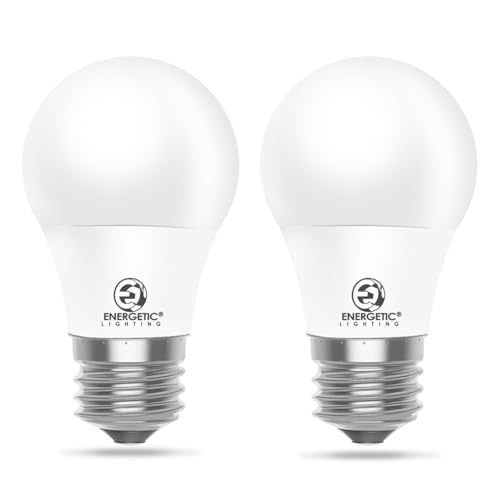
Energetic 5.5W A15 LED Bulb 2 Pack

ONLYLUX 10-Pack UFO LED High Bay Light 250W

UFO High Bay Light 200W 10 Pack
The Details Behind The Selections
This 150W UFO high bay sits in a comfortable middle ground for shop owners and serious hobbyists. Each fixture delivers 22500 lumens at a 5000K daylight color, which lands close to natural noon sun and keeps color recognition strong when sorting wires, lumber, or paint samples.
The aluminum housing pulls heat off the LEDs efficiently, which matters because overheating is the usual reason cheap high bays dim early. For a garage with 10 to 14-foot ceilings, one fixture per roughly 600 square feet tends to keep things evenly lit without dark corners.
Points In Its Favor
- 22500LM per fixture gives strong overhead coverage for mid-height ceilings
- 5000K daylight color reduces eye strain during long repair sessions
- Aluminum body helps extend LED lifespan by managing thermal output
- Ten-pack pricing works out affordably per bay when outfitting a whole shop
- Commonly used to replace older 600W HID fixtures without rewiring headaches
Things To Consider
- Not as bright as the 200W and 250W options higher in this roundup
- 5000K can feel slightly cool for spaces where a softer tone is preferred
- Mounting hardware may need to be sourced separately depending on ceiling type
Feature Snapshot
Who It Suits Best
Home mechanics and small-shop owners who want a noticeable brightness upgrade without jumping straight to the largest commercial options.
Look Elsewhere When
You run a taller warehouse with ceilings above 18 feet, where the 250W ONLYLUX pack delivers the extra punch you actually need.
Stepping up to 200 watts, this UFO fixture pushes 30000LM per light and the IP65 rating means it shrugs off dust and water spray. For barns, warehouses, and shops where moisture or grit is part of daily life, that rating matters more than people expect.
Each unit ships with a 5ft US plug, so installation often means hanging the fixture and plugging it into a nearby outlet. That ease is a quiet win for anyone who doesn’t want to call an electrician just to swap out lights.
The Good Stuff
- 30000LM per fixture handles tall ceilings without hot spots
- IP65 sealing handles dusty and slightly damp environments
- 5ft plug-and-play cord simplifies DIY ceiling installation
- Six-pack quantity suits mid-sized commercial floors
Worth Noting
- Slightly bulkier heat sink than the 150W option
- Plug-in design requires a nearby outlet, which may not exist in older buildings
Made For
Facility managers outfitting mid-to-large commercial spaces who want a wet-location rating without stepping into hardwired installations.
A Better Fit Elsewhere
Smaller garage shops may find the ELEKICO T8 tubes more practical if the ceiling layout is a fluorescent grid rather than an open bay.
At 250W and 37500LM per fixture, this is the brightest option in the roundup. The cast aluminum body is thick enough to feel substantial, which usually signals better heat dissipation and a longer useful lifespan.
For wide-open commercial floors or tall distribution centers, fewer fixtures are needed to reach comfortable light levels. That can mean real installation savings even if the per-fixture price runs higher.
A Favorable Mix
- 37500LM per fixture minimizes the number of bays required
- Thick aluminum housing is built for sustained heavy use
- IP65 rating holds up in industrial dust and humidity
- 5ft plug streamlines installation for crews without on-staff electricians
Trade Offs
- Higher wattage per fixture may require circuits to be checked for capacity
- Overkill for garages or small shops with standard ceiling heights
- Heavier body demands secure mounting hardware
Spec Overview
Right Fit For
Industrial facility operators running large open floors who need maximum light output per fixture and have the ceiling height to justify it.
Swap It Out When
Your space tops out at 12-foot ceilings, where the 150W ONLYLUX option produces more usable light without the extra wattage.
For offices, classrooms, and shop floors built around fluorescent troffers, the ELEKICO 4-foot T8 tubes slot right in. At 24W and 3600LM per bulb, they cut energy use sharply while delivering a crisp 6500K daylight tone.
The ballast bypass design means the old fluorescent ballast gets removed during installation, which is a one-time job but a real step. For anyone comfortable with basic rewiring, the swap pays off in lower maintenance over time.
A Strong Showing
- 20-pack quantity suits full floor retrofits
- Ballast bypass removes a common failure point from the system
- 6500K daylight keeps task-heavy spaces alert and visible
- G13 base fits standard T8 sockets after ballast removal
Points To Note
- Requires rewiring to bypass the ballast, not a true plug-in swap
- 6500K can feel harsh in spaces used for relaxation
Feature Rundown
Best Suited To
Maintenance teams replacing aging fluorescent grids in offices, warehouses, and retail floors who don’t mind a one-time ballast bypass.
Reach For A Different Pick When
You have an open-beam ceiling with no existing fixtures, where the UFO high bay lights offer a cleaner starting point.
This is the smallest light in the roundup, but the A15 form factor fills a niche the others can’t. At 5.5W with 550LM output and a 3000K warm white tone, it fits refrigerators, ceiling fans, and similar small appliances.
The E26 base keeps installation simple, and the warm tone feels friendly rather than clinical, which suits living spaces where harsh light reads as uncomfortable.
Bright Spots
- Compact A15 shape fits snug appliance sockets
- 3000K warm tone flatters kitchens and living areas
- E26 base works in standard medium sockets without adapters
- Low wattage keeps heat output gentle inside enclosed fixtures
Room For Improvement
- Not suitable as a primary room light
- Non-dimmable, so it won’t work on dimmer switches
Who Should Grab It
Anyone replacing burnt-out appliance bulbs in fridges, range hoods, or ceiling fan light kits who wants a warm, energy-efficient swap.
Where Another Pick Suits Better
You need to illuminate a wide workspace, where the UFO high bay fixtures in this list deliver the lumen count that actually makes a difference.
This 10-pack version of the 250W UFO fixture delivers 37500LM per light and leans hard into the plug-and-play angle. The 5ft power cord with US plug is what most crews actually want on a busy job site.
SMD3030 LED chips are common in commercial-grade fixtures because they handle sustained output without dropping off. For anyone running a retail floor or warehouse build-out, that consistency matters more than peak lumen numbers.
The Case For It
- 10-pack size streamlines large facility rollouts
- 37500LM per fixture matches serious commercial demand
- SMD3030 chips are known for sustained brightness over time
- Plug-and-play cord removes most electrical work
Honest Caveats
- 250W per fixture needs proper circuit planning
- Bulkier form factor requires careful mounting planning
Quick Facts
Built With In Mind
Project managers handling commercial retrofits who need predictable installation with minimal electrician hours.
Skip It When
Your ceiling height is below 14 feet, where the smaller 150W pack produces more useful light per dollar.
This 200W option runs at 150LM/W, which is the efficiency number worth paying attention to when comparing similar fixtures. Higher lumens per watt usually means lower operating cost without sacrificing brightness.
The 10-pack configuration fits commercial buyers outfitting whole bays at once, and the 5000K tone keeps everything looking clean and professional without drifting into harsh territory.
Notable Gains
- 150LM/W efficiency helps trim long-term operating costs
- 30000LM per fixture suits mid-to-tall ceiling layouts
- 10-pack quantity matches common commercial retrofit orders
- 5000K tone balances clarity with comfort for staff
Potential Drawbacks
- Not quite as bright as the 250W picks at the top of this roundup
- Efficiency claim depends on real-world mounting and ambient conditions
Whose Shelf It Belongs On
Operations managers replacing aging 800W MH or HPS setups who want a noticeable efficiency bump without overcommitting to the largest fixtures available.
Not Your Match When
You need the absolute highest output per bay and have the circuit capacity for 250W units, where the larger ONLYLUX option steps in.
What To Weigh Before Picking High Output LED Lights
Match Wattage To Ceiling Height
A rough rule I find useful: ceilings under 12 feet handle 100W to 150W fixtures comfortably, while 15 to 20-foot ceilings start asking for 200W and up. Going too bright at low heights wastes energy and creates glare, while under-powering tall bays leaves the floor dim no matter how many fixtures hang up there.
Decide Between UFO And Linear Form Factors
UFO high bays throw light in a wide cone from a single point, which suits open warehouse floors and barns. Linear T8 tubes like the ELEKICO pack replace existing fluorescent grids and spread light evenly across drop ceilings. Picking the wrong shape usually means awkward shadows or wasted fixtures.
Pay Attention To IP Ratings In Harsh Spaces
IP65 means the fixture tolerates dust and water spray, which is the practical minimum for shops exposed to moisture, sawdust, or outdoor humidity. For clean offices and climate-controlled spaces, lower ratings usually suffice and cost less.
Color Temperature Sets The Mood
5000K reads as crisp daylight and is the common choice for shops and warehouses where task accuracy matters. 6500K pushes cooler and bluer, while 3000K warms things up for residential and hospitality settings. Picking the wrong tone leaves a space feeling off in a way that’s hard to articulate but easy to feel.
Key Considerations Across These Picks
Common Shopping Slip Ups
The most frequent mistake I see is shopping by raw wattage without checking lumens per watt or the actual room dimensions. A 250W fixture in a 10-foot garage produces glare rather than useful light, and a 150W fixture in a 20-foot warehouse leaves workers squinting at inventory. Measure ceiling height and floor area before anything else.
Where The Extra Money Goes
Higher tier picks in this roundup usually pay for thicker aluminum housings, better thermal design, and more consistent LED binning. That translates into longer useful lifespans, fewer lumen drop-offs, and steadier color over years of use. For shops running lights eight hours a day or more, the upgrade often earns itself back in fewer replacements and lower cooling loads.
Frequently Asked Questions
How many high output LED lights do I need for my space?
Start with roughly one fixture per 500 to 700 square feet for 150W units, or one per 800 to 1000 square feet for 250W units, then adjust based on ceiling height and how detail-oriented the work is.
What’s the difference between 5000K and 6500K?
5000K reads as neutral daylight, while 6500K pushes cooler with a slight blue tint that some find harsher in long sessions. For most task lighting, 5000K strikes a comfortable balance.
Can I install UFO high bay lights myself?
The plug-and-play models in this roundup can be installed by anyone comfortable with basic hanging hardware and a reachable outlet. Hardwired models and circuit upgrades generally need an electrician.
How long do these LED high bay lights typically last?
Quality LED fixtures commonly rate for 30000 to 50000 hours, which translates to many years of typical commercial use before noticeable dimming begins.
Are UFO high bays better than linear LED tubes?
It depends on ceiling shape and existing fixtures. Open bays favor UFO designs, while drop ceilings with grid layouts favor linear T8 replacements like the ELEKICO pack.
Closing Thoughts
The right high output LED lights come down to matching ceiling height, room purpose, and installation comfort to the right fixture. Start with the room dimensions, pick a wattage range that fits, and let the rest of the details fall into place. Whatever space you’re lighting, there’s a solid option in this list ready to handle it.