

There’s a specific kind of stumble I’m trying to prevent: the front-porch step you forget exists, the basement walkout where shadows swallow the tread, the dock board that disappears when the moon hides. Solar stair lights solve that without pulling wire or hiring an electrician, which is why they’ve quietly become a backyard upgrade a lot of homeowners are making this year. I’ve spent time digging through specs, user notes, and real install scenarios for five popular sets, and below is what I’d actually point a friend toward. Each pick comes from a slightly different angle, so the right answer depends on your steps, your yard, and how much light you want to spill.
The Leading Options At A Glance
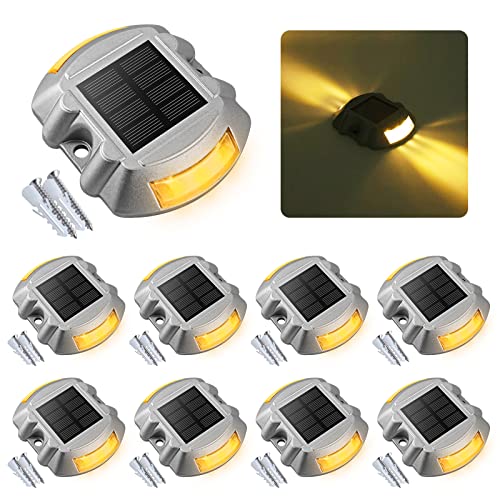
VOLISUN Solar Deck Driveway Dock Lights 8-Pack
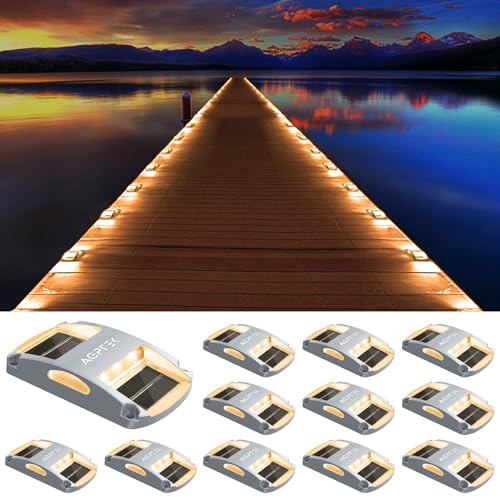
AGPTEK Solar Driveway Lights 12-Pack

JEJOT 6-Pack Solar Step Lights (Gray)

JEJOT 12-Pack Solar Step Lights (Gray)

VOLISUN Solar Driveway Marker Lights 4-Pack
A Closer Look At Each Pick
For most homes with a mid-sized staircase or a wraparound deck, this VOLISUN 8-pack sits in the sweet spot. Each fixture carries six LEDs behind a low-profile housing, and the warm-white tone reads as soft accent lighting rather than a floodlight, which is what you want along a wooden stair tread.
The build feels aimed at surface mounting on flat boards, with the kind of low profile that won’t catch a shoelace. In a typical suburban install, I’d expect the 600 mAh cell to gather a solid charge through a day of partial sun, then glow steadily into the late evening.
The Helpful Details
- Six LEDs per light create a broader wash across the step face than single-bulb designs.
- Warm color temperature reads as decorative rather than security-grade, which suits porch and patio stairs.
- Eight units cover a full front-yard staircase with a couple left over for the walkway transition.
- Surface-mount format installs without cutting recesses into deck boards.
- Solar panel is integrated into the top surface, so no separate panel to position.
Things To Consider
- Performance dips noticeably on cloudy days, since the integrated panel is fairly small.
- Warm output is gentle by design, so very wide steps may need two units side by side for full coverage.
Key Specs
Who It Suits Best
Homeowners with a standard wooden deck staircase who want warm, decorative accent lighting without running a single wire.
Where Another Pick Suits Better
Reach for the AGPTEK 12-pack if your run is longer than seven steps or you’re lighting a driveway approach, where extra units make a real difference.
The AGPTEK set is the one I’d hand someone whose project is bigger than a single staircase. Twelve fixtures spread across a sloped driveway, a long walkway, or a wraparound dock reads as a complete system rather than a quick add-on, and the car-shaped double-sided housing spreads the beam so the line of lights feels connected.
The 600 mAh battery is the same class as the VOLISUN above, so behavior in low-sun conditions should track closely. Where AGPTEK pulls ahead is sheer quantity and the way the angled housing throws light both forward and to the side.
Strong Points
- Twelve units handle a long edge without leaving obvious dark zones.
- Double-sided design projects light in two directions, which helps when a stair runs along a wall.
- Dock and marine use is part of the design intent, so the housing tolerates splash exposure.
- Visual line of light reads well from a distance, helpful for guiding guests to the front door.
Trade Offs
- Twice the units means twice the charging maintenance if any single light shifts into deep shade.
- Heavier install footprint, and owners commonly report the line looks uneven if the spacing isn’t measured.
- More exposed housings along a long run mean more chances for snow or leaf buildup to block the panel.
Feature Snapshot
Made For
Anyone installing along a long driveway, dock, or open pathway who wants consistent spacing and the security-style look of a continuous light line.
Skip It When
The JEJOT 6-pack is a smarter call for a short three-step front entry, where twelve fixtures would be overkill and harder to space evenly.
If your project is genuinely small, this JEJOT 6-pack keeps things tidy. Three or four steps to a side door, a basement walkup, a garden landing: that’s the scale where six units feel right and twelve would just sit in a drawer. The gray housing blends into concrete and stone better than black fixtures tend to.
The warm 3000K tone here matches the VOLISUN above in spirit, so the two brands play nicely if you decide later to extend along a connecting path. The monocrystalline silicon panel is the more efficient solar cell type, which helps in partial shade where cheaper amorphous panels struggle.
What Works In Its Favor
- Right-sized for short staircases without wasted extras.
- Monocrystalline panel charges more efficiently in mixed light conditions.
- Gray finish blends with concrete, stucco, and stone risers.
- Warm 3000K output matches the visual tone of most porch lanterns.
Minor Gripes
- Six units may fall short if your stair run grows beyond four steps.
- The narrower cell needs clear sky to hit full charge, so placement under deep eaves will shorten runtime.
Right Fit For
Owners of a short side entry or basement stair who want a focused, decorative accent rather than a security-grade wash.
Consider Something Else When
Anyone lighting a full backyard patio should jump to the JEJOT 12-pack instead, since doubling up keeps spacing consistent across a longer run.
The 12-pack version of the JEJOT line is what I’d recommend for multi-tier gardens, where stairs cascade down a slope and a single short set just isn’t the whole picture. Same warm 3000K output as the 6-pack above, same gray housing, just double the units so you can treat the whole hillside as one continuous project.
It’s also a sensible call when you want spares on hand. Solar fixtures take a beating through winter, and a few dead cells after a hard freeze aren’t unusual, so having two extras in the garage saves a trip back to the listing.
Useful Highlights
- Twelve fixtures handle tiered landscaping without obvious gaps between sections.
- Monocrystalline solar cells recharge efficiently even under dappled tree cover.
- Spare units cover the occasional dead battery after a tough winter.
- Warm output matches the 6-pack, so the two can be combined later without clashing tones.
Room For Improvement
- Twelve units means more time spent planning even spacing before mounting.
- Like the smaller JEJOT set, deep eaves or heavy tree cover will reduce runtime noticeably.
- Visual consistency across a long run depends on keeping every panel clean, which adds seasonal upkeep.
Quick Facts
Best Suited To
Garden owners with stepped landscaping or anyone planning a multi-section path who wants one consistent look across the whole yard.
A Better Fit Elsewhere
A single three-step front entry will be over-served by this set, so the 6-pack version is the leaner buy for tight installs.
This is the most playful set on the list, and that’s the point. Each VOLISUN marker carries a switch on the bottom that flips the output between red and green, so you can tune the look to a holiday, a sports team, or just the mood of the evening. Twelve LED beads per housing means the color reads cleanly even at a distance.
Four units isn’t enough to line a long driveway, but it’s a great answer for a dock edge, a garden focal point, or a small front-yard accent where color variety matters more than coverage.
What Stands Out
- Two switchable colors per fixture add decorative range other sets on this list don’t offer.
- Twelve LEDs per housing keep the colored glow readable from down the street.
- Compact 4-pack suits accent roles where larger sets feel heavy.
- Solar cell and battery match the larger VOLISUN above for predictable charging behavior.
Points To Note
- Four fixtures won’t cover a typical front stair run, so this is a complement, not a replacement for a primary set.
- Color lighting reads as decorative rather than functional, so tread visibility is gentler than the warm-white options.
Who Should Grab It
Shoppers who want accent lighting on a dock, a garden path, or a holiday-ready entry where color flexibility beats raw brightness.
Another Choice May Suit
The VOLISUN 8-pack is the right move when warm white and full stair coverage matter more than color switching.
What To Weigh Before Picking Solar Stair Lights
The first thing to map is how much sun the install spot actually gets. Solar panels, including the photovoltaic cells used in all five sets above, only charge from direct or bright indirect light, so a stair tucked under a porch overhang for half the day will underperform the same fixture mounted in an open yard. Walk the path at midday and count the hours of unobstructed sky before sizing a pack.
Color temperature changes how a step reads after dark. Warm white in the 2700K to 3000K range feels residential and welcoming, while cooler tones feel more like security lighting. For most home stairs, the warmer end tends to land better with the surrounding porch and patio fixtures.
Pack size should match the actual step count, plus a couple of extras for spares. Six lights handle a tight three to four-step run, eight covers most front entries, and twelve makes sense for tiered landscaping or a long driveway edge. Buying too few means awkward gaps; buying too many just adds charging complexity.
Housing finish matters more than people expect. Black fixtures recede into shadow, gray blends with concrete and stone, and white stands out against brick. Picking a finish that matches the surrounding material keeps the lights from looking tacked on.
Key Considerations Across These Picks
Where Shoppers Go Wrong
The most common mistake is trusting the panel to charge in deep shade. A stair landing under dense tree cover will glow briefly at dusk and fade before midnight, no matter how big the battery. The fix is to relocate the fixture a few feet toward the light or trim back a single overhanging branch.
Another trap is spacing lights by eye rather than by tread. Treads vary in width, and uneven spacing looks worse than no lights at all. Laying the units out along the step with a tape measure before mounting makes the finished line look intentional.
Where The Extra Money Goes
Higher-tier solar sets in this category tend to spend the difference on the panel itself. Monocrystalline silicon cells, like those in the JEJOT sets above, harvest more energy per square inch than the cheaper amorphous panels found in some budget brands. In a yard with mixed light, that difference shows up as a noticeably longer evening glow.
Construction materials also separate premium from basic. Heavier housings and better-sealed battery compartments hold up through multiple freeze-thaw cycles, while thin plastic shells tend to yellow and crack within a couple of seasons. For a permanent install, that upgrade pays back over time.
Frequently Asked Questions
How long do solar stair lights stay lit each night?
Most sets in this category run for six to eight hours on a full day’s charge, which generally covers the evening window from dusk until around midnight.
Can solar stair lights handle rain and snow?
The fixtures in this list are designed for outdoor weather exposure, including marine and dock conditions, so typical rain and snow aren’t a concern once the housing seals have seated properly during install.
Do solar stair lights need direct sunlight to charge?
They charge best in direct sun, but monocrystalline panels like those on the JEJOT sets can still pull meaningful charge from bright indirect light, which helps under partial tree cover.
How many lights do I need per step?
One fixture per step is the standard pattern for residential stairs, though wider treads over 36 inches often look better with a unit on each side.
Will solar stair lights work in winter?
They will, though shorter winter days and lower sun angles typically reduce runtime, so spring and summer are the best seasons to evaluate peak performance.