

A dark driveway or a side door nobody watches feels worse at night than it does at noon. I know the feeling of stepping out for the trash and wishing a light kicked on before the dog started barking. The right solar-powered motion setup can handle that without adding a cent to the electric bill, and I put four solid options side by side so you can pick confidently.
A Fast Comparison Of The Options
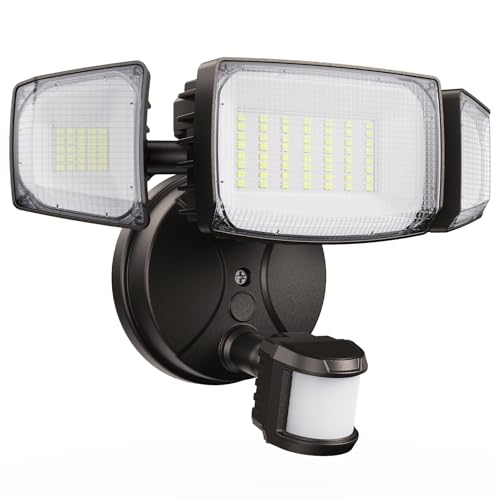
Olafus 80W Motion Sensor Outdoor Lights

Solar Flood Lights Outdoor 2000LM 160 LED

VENSSTNOR Solar Lights Outdoor Waterproof Dual Sensors

REOLINK Solar Floodlight Security Camera Wireless Outdoor
The Strengths Of Each Pick
Starting with the brightest brute of the group, the Olafus 80W is hardwired, not solar, which is the first thing to know before you fall in love with the lumen count. It pushes 8,000 lumens across a wide flood pattern, so a long driveway or a barn-style yard gets lit like a small stadium when motion triggers it. The PIR sensor (a passive infrared detector that senses body heat) reaches up to 72 feet across a 180° sweep, which covers the kind of approach paths where surprises tend to happen.
For homeowners comfortable routing a wire and flipping a breaker, this is the no-charging-anxiety option on the list. It also skips the camera question entirely, which keeps things simple for someone who just wants light without a recording setup. Compared to the TaiGLow below, you trade portability for raw muscle.
Positive Points
- 8,000-lumen output handles big yards and wide driveways without leaving dead zones.
- 72-foot detection range with a 180° arc catches people before they reach the door.
- Hardwired power means zero battery swaps and consistent brightness year-round.
- No camera or app, so setup stays focused on wiring and aiming.
Trade Offs
- Requires electrical work or an accessible junction box, which raises install cost.
- No solar means no zero-electricity-bill bragging rights.
- Fixed mount makes repositioning harder than the clip-on solar options later in the list.
Who It Suits Best
Homeowners with an existing outdoor circuit who want maximum brightness and minimal upkeep.
Consider Something Else When
Renters or anyone without wiring access will find the VENSSTNOR a friendlier install.
The TaiGLow is the entry-level solar unit on this list, and the spec sheet does not pretend to be anything else. Three adjustable LED heads put out around 2,000 lumens at a cool-white 6000–7000K color temperature, with a frosted lens that softens the beam so it does not punch you in the eyes from across the yard. The motion sensor reaches 59 feet at 270° and offers three sensitivity levels, which is more tuning than I usually see at this tier.
For most side yards and small driveways, the coverage is honest and the install is genuinely screw-and-go. It is a clear step up from plug-in solar stake lights that wash out after a season. The honest read is that this is a workhorse, not a flagship, and that is the point.
Points In Its Favor
- Three adjustable heads let you aim light in different directions from a single mount.
- Frosted lens reduces glare for neighbors and people walking the path.
- 270° detection catches approach from the sides, not just straight on.
- Low-fuss solar install suits renters and anyone avoiding electrical work.
Worth Noting
- Charging depends on panel placement, so shaded eaves shorten winter runtime.
- 2,000 lumens feels modest next to the Olafus above.
Built With In Mind
Side yards, garden paths, and entryways where 2,000 lumens and three sensitivity settings cover the job.
Not Your Match When
Anyone needing video should skip ahead to the REOLINK rather than doubling up on light-only fixtures.
The VENSSTNOR is the most over-engineered solar unit in this roundup, and that is not a complaint. It carries a high-efficiency crystalline silicon panel paired with a high-capacity rechargeable battery, which the brand says keeps the lights running for up to three consecutive nights in motion-sensing mode after a full day of charging. The dual motion sensors cover different angles at once, which is genuinely useful along a long porch or a corner where two paths meet.
It also lists three charging methods, including solar and USB backup, so cloudy weeks do not turn into dark weeks. The smart LED display adds a small but useful touch: a visible status indicator rather than guessing whether the panel is collecting. Compared to the TaiGLow, you pay a bit more for redundancy and runtime insurance.
Everyday Advantages
- Three charging methods mean the light still works in shaded or storm-heavy stretches.
- Dual motion sensors catch movement from multiple directions without blind gaps.
- Smart display gives a quick read on charge and mode without climbing a ladder.
- Rated for outdoor weather, so porches and uncovered garages stay covered.
- Up to three nights of motion-mode runtime per full charge, useful for travelers.
Honest Caveats
- More features mean a slightly larger housing, which may look bulky on small trim.
- Higher component count can mean more points to troubleshoot over time.
Key Advantages
Right Fit For
Homeowners with shaded mounting spots, long porches, or travel-heavy schedules who want charging insurance built in.
Swap It Out When
Anyone wanting video alongside light should consider the REOLINK instead of stacking two single-purpose units.
The REOLINK is the only item here that bundles a 2K 4MP camera with a solar-powered floodlight, so it earns its spot as the all-in-one pick. The light tops out around 1,000 lumens, which is modest next to the Olafus, but the camera is the point. Wire-free solar power keeps the install clean, and the smart AI aims to cut down on false triggers from passing cars or blowing branches.
It suits a driveway or back gate where you want both a deterrent and a record. The trade-off is straightforward: this is a camera first, light second. For pure lumen power, the Olafus still wins; for a complete security package on one mount, REOLINK handles it well in most setups.
Positive Takeaways
- 2K 4MP resolution captures usable footage, not just a blur.
- Solar-powered and wire-free, simplifying install on outbuildings.
- Smart AI helps the light ignore non-human movement in busy areas.
- One mount handles light plus camera, saving wall space.
Factors To Consider
- 1,000 lumens is a step down from dedicated flood lights on this list.
- Camera features mean an app account and Wi-Fi setup, which adds setup time.
- Cloud or local storage plans vary, so factor ongoing preferences into the choice.
Made For
Driveways, gates, and entryways where video evidence matters as much as illumination.
Skip It When
Pure light seekers who do not want a camera or app will be happier with the Olafus or TaiGLow.
What Matters Most Before Choosing Solar Powered Motion Security Lights
Start with brightness in real-world terms, not raw numbers. Lumens tell you the total light output, but a flood with a frosted lens and adjustable heads spreads that light more usefully than a tight beam. For a small porch or side door, 1,000 to 2,000 lumens is plenty. Driveways and wide yards usually want more.
Next, weigh detection range and angle. A 180° sensor covers a straight approach, while a 270° or dual-sensor design handles corners and L-shaped paths. Sensitivity settings matter too, since busy streets often trigger lights dozens of times a night and drain batteries faster than expected.
Finally, think about charging. Pure solar works in full sun, but eaves, trees, and winter angles cut output. Models with backup charging methods or high-capacity batteries give you a buffer on cloudy stretches. Hardwired units skip the question entirely, at the cost of install effort.
Smart Choices Across The Category
Traps First Timers Fall Into
Picking by lumen count alone is the easiest mistake. A 2,000-lumen flood with a wide frosted beam often lights a yard better than a 8,000-lumen spotlight aimed wrong. Mounting height and angle matter as much as the spec sheet. Another common miss is ignoring the panel direction. A solar unit tucked under an eave charges poorly and dies early in winter. Aim for at least a few hours of direct midday light.
When Paying More Pays Off
Higher-tier models tend to add detection flexibility and charging redundancy rather than raw brightness. Dual sensors catch what single-sensor units miss, and multi-source charging keeps the light working through storms. If your yard has shade or a tricky corner, the upgrade earns its keep. In open-sun setups with simple paths, a budget-friendly unit handles the job well.