

Setting up a chicken coop means balancing predator protection, hen comfort, and your own sanity during early-morning and late-evening chores. Solar lighting solves the wiring problem, but the right timer and brightness setup can make or break your daily routine. I’ve put together four options that cover different flock sizes, coop layouts, and budgets, so you can stop guessing and start setting up.
The Choices Worth Comparing
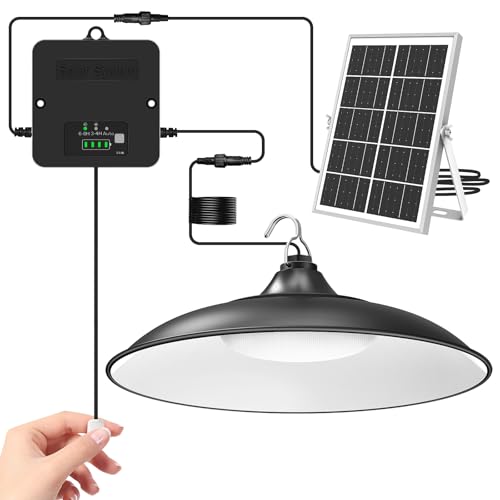
APILAB Solar Shed Light with Pull String, 2000LM

Etetale Solar Shed Light 2000LM with Pull String

FabStyl Solar Light 3000LM with Remote and Rotation

AEQ 7.1″ Solar Fan for Chicken Coop, 2-Speed
What Each Pick Brings To The Table
For someone running a small backyard coop and tired of fumbling with remotes in the dark, the APILAB pull-string approach is genuinely refreshing. The light produces 2000 lumens at a 6500K color temperature (a cool daylight tone that mimics midday sun), which is more than enough for a standard 4×6 coop interior. The power box shows battery level and current mode at a glance, so you’re never guessing how much runtime is left.
Where it stands apart from the Etetale option later in this list is in its stripped-back control logic. You pull a string, the light responds, and there’s nothing else to learn. For most hobbyists with a single coop, that’s exactly the right amount of complexity.
What Earns Its Place
- Pull-string control means no remote to lose in the run
- 2000 lumens handles most small coop interiors without dim spots
- Visible battery and mode indicators on the power box
- Cool daylight tone helps spot egg color and hen condition during morning chores
Things To Consider
- Pull-string design may feel awkward in low ceilings or enclosed nesting areas
- Single-pack configuration means larger coops may need multiple units for even coverage
Who It Suits Best
Backyard keepers with one small coop who want reliable lighting without app connectivity or remote pairing.
Skip It When
The FabStyl Solar Light 3000LM with Remote and Rotation is a better match if you run a larger coop and want app-free dimming and motion sensing in one fixture.
The Etetale shares its core identity with the APILAB model above, but its daytime-available lighting modes are what make it worth considering separately. Where many solar shed lights only switch on after dusk, this one offers three modes that can activate during daylight hours when battery permits. For northern keepers dealing with short winter days, that’s a meaningful distinction.
The same 2000-lumen output and pull-string control philosophy apply, so the day-to-day experience is familiar. The runtime depends entirely on how much sun your panel receives, which matters more in winter than summer.
A Few Highlights
- Daytime-available modes help during short winter daylight windows
- Pull-string interface keeps operation simple and remote-free
- Battery and mode display on the power box for easy monitoring
- Heavy-duty string design holds up to daily yanking over time
Worth Noting
- Same 2000-lumen ceiling as the APILAB, so it isn’t a brightness upgrade
- Daytime modes draw battery faster, which may shorten overnight runtime in low-sun weeks
- Panel placement matters more here than with dusk-only lights
Made For
Coop owners in cloudy regions or northern latitudes where winter sun hours cut into standard solar charging.
A Better Fit Elsewhere
The APILAB Solar Shed Light with Pull String, 2000LM suits better if you live somewhere with reliable sun and don’t need daytime activation.
The FabStyl jumps well past the simpler APILAB and Etetale designs in capability. At 3000 lumens, it puts out 50 percent more light than the pull-string models, and the rotation design lets you aim the beam where your hens actually need it instead of bathing the ceiling. The waterproof rating also makes it more forgiving in damp coops where condensation builds overnight.
Five operating modes include two dedicated to all-day lighting, plus a dimmable remote with adjustable brightness levels and induction timer settings. You may find the mode count overwhelming at first, though most keepers settle into two or three favorites within a week.
Noteworthy Benefits
- 3000 lumens covers larger coops without needing a second fixture
- Dimmable remote offers brightness control the pull-string options lack
- Rotation design lets you redirect light toward nesting boxes or roosts
- Five-mode operation, including two all-day modes, supports varied routines
- Motion sensor adds security value if you want predator-aware lighting
Trade Offs
- Remote is another small thing to keep track of near a dusty coop
- More modes mean more setup time to find what works for your flock
- Higher output draws the battery faster, so panel placement is critical
Key Advantages
Right Fit For
Coop owners running larger flocks or multi-section coops who want precise light control without climbing into the run.
Swap It Out When
The Etetale Solar Shed Light 2000LM with Pull String is the better call for minimalists who’d rather pull a string than manage a remote.
The AEQ fan breaks from the lighting theme of this list, but coop comfort depends on airflow as much as illumination, especially in summer. The 7.1-inch solar fan runs continuously with a 25W solar panel setup and offers two speed settings for variable airflow. Where the FabStyl handles your light coverage, this handles your hens’ breathing room.
The fan is genuinely versatile, marketed for sheds, greenhouses, and dog houses too, so the build handles more than just chicken environments. For hot climates, this is the kind of gear that prevents heat stress before it starts.
Where It Delivers
- 25W solar panel supports 8 to 12 hours of runtime on a full charge
- Two-speed settings let you tune airflow without overcooling hens
- Waterproof construction handles humid coops and unpredictable weather
- Multi-environment design works in greenhouses and sheds too
- No wiring means clean installation in existing coops
Honest Caveats
- 6 to 8 hours of direct sunlight needed for a full charge, which limits winter use in some regions
- Not a lighting solution, so you’d still need a separate solar light for evening chores
- Single-fan airflow may not be enough for very large coops without a second unit
Best Suited To
Coop owners in warm or humid climates where summer heat stress is a real concern and ventilation matters as much as light.
Where Another Pick Suits Better
The FabStyl Solar Light 3000LM with Remote and Rotation is the better match if your priority is illumination rather than airflow control.
What To Weigh Before Buying Solar Coop Lighting
Solar coop lights look simple from the outside, but the spec sheet hides a few decisions that matter once the lights are mounted. Run time, brightness, and control method all behave differently in real coops than they do on a product page.
Brightness Versus Runtime
A 3000-lumen output like the FabStyl’s is genuinely useful in larger coops, but more lumens drain the battery faster. Smaller coops often run fine on 2000-lumen models from APILAB or Etetale, and those typically last longer through cloudy stretches. The honest read is to size brightness to coop square footage rather than chasing the highest number.
Control Style And Daily Habits
Pull-string lights eliminate remote anxiety but require reaching the fixture. Remote-controlled lights like the FabStyl add convenience but introduce the “where did the remote go” problem. For most keepers, matching the control method to how often you actually adjust lighting is the better guide than feature lists.
Climate And Sun Exposure
Daytime-available modes on the Etetale are a real advantage in northern climates with limited winter sun, while hot-climate keepers benefit more from pairing any of these lights with a ventilation solution like the AEQ fan. Solar panel placement and orientation can matter as much as the panel itself.
Smart Picks, Fewer Headaches
Pitfalls Worth Skipping
Choosing a coop light based on lumen count alone is a common mistake. A 3000-lumen fixture in a tiny 4×4 coop creates harsh shadows and battery drain without much real benefit. The other trap is ignoring panel placement. Solar lights with motion sensors or daytime modes need a panel that actually sees the sky for several hours, not one tucked under an eave.
When The Upgrade Earns Its Keep
Higher-tier solar coop lights earn their cost through better dimming, more modes, and stronger waterproofing. The FabStyl is a sensible upgrade for keepers with larger coops or those who want remote-controlled dimming instead of pull strings. For smaller backyard flocks, the APILAB and Etetale cover the essentials without overspending.
Frequently Asked Questions
Do solar coop lights work in winter with limited sunlight?
Solar lights will still charge in winter, but runtime may shorten during cloudy stretches. Models with daytime-available modes, like the Etetale, can help stretch usable light hours when sun exposure drops.
How bright should a chicken coop light be?
For most small coops, around 2000 lumens is sufficient for safe evening chores. Larger coops or those with multiple sections often benefit from 3000-lumen fixtures to avoid dark corners.
Can a solar fan help keep chickens cool?
A solar-powered ventilation fan like the AEQ model can move hot air out of enclosed coops, reducing heat stress during summer. It works best when paired with adequate shade and fresh water.
Are pull-string solar lights reliable for outdoor use?
Pull-string designs like the APILAB and Etetale use a simple mechanical switch that tends to hold up well in dusty coop environments, though the string itself may eventually wear from repeated pulling.
Do solar coop lights need direct sunlight to charge?
They charge best with several hours of direct sunlight, though they will still gain some charge on overcast days. Panel placement in a sunny spot makes a noticeable difference in consistent runtime.