

Riding after dusk used to feel like a gamble with traffic and potholes. A solid front beam and a trustworthy rear flash turn that gamble into something predictable, so commuters, trail riders, and weekend path cruisers can pick their line early. The list below covers front headlights, rear taillights, and a matched pair, with options that handle rain, long runtimes, and shared helmets without fuss.
The Shortlist At A Glance

Magicshine EVO 1700 PRO Front Bike Light

Magicshine HORI1300S Front Bike Light

Planet Bike Superflash 65 Tail Light

NP NIGHT PROVISION Tail Light 2 Pack

Magicshine SEEMEE Magnetic Rear Light
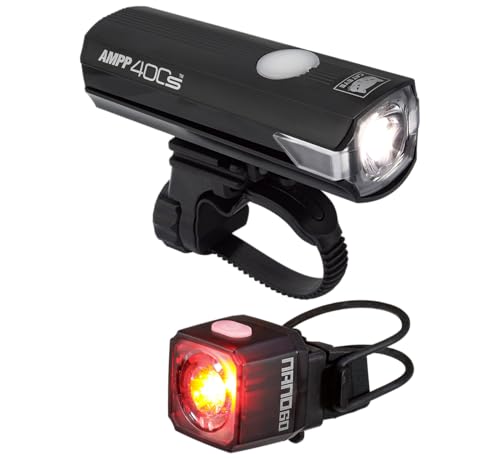
CATEYE AMPP400S and NANO60 Light Set
Meet The Standout Selections
Late-night commuters and gravel riders who want to see past the next corner will appreciate how the Magicshine EVO 1700 PRO lays light down the path instead of blasting it skyward. The anti-glare cut-off beam (a shaped upper edge that keeps light below the horizon line of oncoming eyes) reaches roughly 205 meters on the high setting, which matters when a deer decides to cross your line at speed.
Unlike the simpler single-purpose rear picks in this roundup, this headlight is the half of night visibility that actually chooses the line for you. It pairs with a Garmin or Wahoo computer through the included out-front mount, so the cockpit stays tidy and the light rides underneath, not crowding the bar.
Well-Handled Touches
- 1700 lumens high beam projects far enough for trail-speed decision making
- Cut-off low beam keeps oncoming cyclists and drivers from getting dazzled
- Out-front mount stacks the light under a Garmin or Wahoo for a clean cockpit
- Dual-beam design means one unit handles both road glare and trail darkness
Worth Bearing In Mind
- Higher output drains the battery faster than the smaller picks below
- Anti-glare design shines best on road and path; pure singletrack may want a wider flood
Key Specs
Right Fit For
Riders who split time between lit suburban streets and unlit trails, and who already run a cycling computer on the bars.
Look Elsewhere When
Casual riders on a tight budget should consider the CATEYE AMPP400S and NANO60 Light Set, which covers front and rear at a friendlier spend.
The HORI1300S trades a touch of raw output for a much tidier handlebar, which matters when the bike already wears a computer, bell, and light bell cluster. The mount sits the light directly under a Garmin or Wahoo head unit (a small handlebar-mounted cycling computer), letting the whole front end read as one stacked unit instead of a clutter of clamps.
Compared with the EVO 1700 PRO above, this one is the more urban-friendly sibling: bright enough for unlit bike paths and neighborhood shortcuts, but compact enough to leave on the bars full-time in a city apartment without feeling like a flashlight bolted to the bike.
The Upside
- 1300 lumens covers most path and street riding without overkill
- Stacked computer mount cleans up cockpit clutter
- USB-C charging means the same cable as a phone
- IPX6 waterproofing (protection against powerful water jets from any direction) shrugs off heavy rain
Small Caveats
- “Compatible with Garmin/Wahoo” means the mount, not wireless pairing, which can confuse shoppers at first glance
- Less reach than the EVO 1700 PRO on the highest setting
Made For
Daily commuters who run a cycling computer and want their front end to look intentional, not improvised.
Another Choice May Suit
Trail-focused riders chasing the longest possible throw will be happier with the Magicshine EVO 1700 PRO Front Bike Light.
The Superflash 65 is the rear light for riders who don’t want to think about charging cables. A pair of AA batteries powers 65 lumens of flash output for up to 130 hours, which in most commutes translates to months between swaps.
Where the Magicshine SEEMEE below leans into wireless control and helmet mounting, the Planet Bike stays simple: clamp it on the seat post, pick a flash mode, and forget it. The 220-degree visibility arc helps drivers approaching from side streets catch the blink in peripheral vision.
The Value In It
- Up to 130 hours of runtime on the Superflash mode stretches battery swaps far apart
- 220-degree visibility catches the eye of drivers at side intersections
- Four modes cover steady, courtesy flash, and the signature attention-grabbing pattern
- Compact vertical body fits small frames and aero posts without crowding
Honest Caveats
- Batteries mean occasional trips to the junk drawer rather than a USB cable
- No wireless remote or smart features for riders building a connected setup
Key Specs
Whose Shelf It Belongs On
Riders who don’t want to manage yet another rechargeable battery and prefer a “fit and forget” tail light for year-round commutes.
Where A Sibling Pick Shines
Riders who want app-style control and helmet mounting will prefer the Magicshine SEEMEE Magnetic Rear Light.
Two lights in a single box solve the most common shared-bike problem: one tail light for the partner’s bike and one for yours, no second checkout. The 330 mAh lithium cell runs up to 18 hours on the chaotic strobe pattern, which covers a full week of short commutes before a top-up.
Where the CATEYE set below leans on a matched front-and-rear pair from one established brand, this NP pack skips the front beam entirely and focuses on rear visibility. The four flash modes make it easy to dial in a daytime versus nighttime pattern without diving into an app.
Benefits That Matter
- Two-pack pricing works out cheaper than buying two single lights separately
- 18-hour runtime handles a long week of short rides between charges
- USB-C charging matches the cables most riders already carry
- Four flash modes, including chaotic strobe, suit daytime and nighttime traffic
Room For Improvement
- No front beam means pairing this with a separate headlight for full coverage
- Brighter aftermarket options exist for riders who want maximum daytime punch
Best Suited To
Couples, families, or roommates sharing two bikes and wanting matching rear visibility without paying twice.
Swap It Out When
Solo riders who want both a headlight and a taillight in one bundle should look at the CATEYE AMPP400S and NANO60 Light Set.
The SEEMEE is the rear light for riders building a more connected bike. The dual red-and-white LEDs swing between a daytime running light look and a brighter taillight mode, and FTR LightSync pairs it with Magicshine’s matching front units so one button controls both.
Where the Planet Bike Superflash 65 above is a single-function clip-on, this one mounts magnetically to a helmet or seat post and talks to a remote. That means grabbing the light off the bike for charging is a quick pull, not a wrestle with a rubber strap.
Why It Works Well
- Magnetic mount makes grab-and-go charging painless
- FTR LightSync pairs with Magicshine front lights for one-button control
- Helmet compatibility adds a higher eye-line for car drivers to notice
- IPX6 waterproofing handles heavy rain without drama
Factors To Consider
- Smart features only pay off if the front light is also a compatible Magicshine model
- Magnetic mount can pop off if knocked hard in a bike rack
Quick Facts
Who Should Grab It
Tech-forward riders already running a Magicshine front light who want a matched, remote-controlled rear setup.
Skip It When
Casual commuters on a single bike will get more mileage out of the simpler Planet Bike Superflash 65 Tail Light.
First-time light shoppers who want a known-brand bundle will appreciate CATEYE’s matched set: a 400-lumen front beam with the company’s OptiCube lens (a faceted optic that spreads and shapes the beam) and a 60-lumen rear with a daytime hyperflash pattern. The pair covers the basics without forcing a decision on each piece separately.
Compared with the Magicshine EVO 1700 PRO above, the AMPP400S front is a noticeable step down in raw output, but for lit suburban riding it lands at a friendlier spend. The rear NANO60 also fits aero seat posts, a small touch that matters on newer road bikes.
Positive Points
- Matched front and rear from one trusted brand simplifies setup
- OptiCube lens spreads the front beam across the path, not just a tight spot
- NANO60 includes an aero seatpost bracket for modern road frames
- USB-C charging on the front keeps cables simple
Things To Weigh
- Lower lumen counts than the Magicshine options for riders chasing maximum reach
- No smart pairing between the two lights, so each is set independently
Who It Suits Best
New riders outfitting a first serious commuter or weekend bike who want both ends covered from a single purchase.
Not Your Match When
Riders tackling unlit trails at speed will want the brighter throw of the Magicshine EVO 1700 PRO Front Bike Light.
What To Weigh Before Choosing Bicycle Lights
Lumens get the headlines, but beam shape decides whether the light is actually useful on a curving path or a busy street. A 400-lumen light with a wide, even spread often feels safer than a 1700-lumen spotlight that narrows to a bright dot, especially at low speeds where peripheral visibility matters most.
Runtime and charging style quietly shape daily ownership. USB-C rechargeables cut cable clutter for anyone with a phone charger on the desk, while AA-powered units like the Planet Bike Superflash 65 trade convenience for a “set and forget” approach that suits riders who don’t want to think about battery levels. Match the charging style to your routine, not the spec sheet.
Mounting matters more than people expect. A handlebar already loaded with a computer, bell, and bag needs a stacked or out-front mount like the Magicshine options, while a clean bar can take a simple clamp. Aero seat posts and helmets add another layer, so check the bracket list before choosing a tail light.
Water rating is shorthand for how much rain the light can handle. IPX6 means protection from powerful water jets, which covers heavy downpours and road spray. Lower ratings can still survive drizzle, but a daily-year-round commuter benefits from the higher tier.
Key Considerations Across These Picks
Wrong Turns To Avoid
Buying on raw lumen count alone is the most common miss. A 1700-lumen flood beam and a 1700-lumen narrow beam behave very differently on a dark road, so beam pattern and lens design deserve the same attention as the headline number.
Forgetting the rear light is another frequent stumble. Front visibility helps the rider see, while rear visibility helps traffic see the rider, and the second job matters just as much. A budget-friendly two-pack like the NP NIGHT PROVISION solves this for shared bikes, while solo riders can match a strong front to a simple rear.
What The Higher Tier Buys
Premium front lights bring anti-glare cut-off beams (a shaped edge that keeps light below oncoming drivers’ eye line) and integrated computer mounts, which matter on lit roads shared with traffic. Mid-tier options handle unlit paths and suburban streets, but the upgrade pays off the moment a car heads the other way.
Premium rear lights buy remote control, helmet mounting, and brighter daytime patterns, which suit riders already invested in a matched front system. For a simple commute, a solid mid-tier rear delivers most of the safety without the extra cost, and the savings can go toward a better front beam instead.
Frequently Asked Questions
Do bicycle lights need to be rechargeable?
Rechargeable units cut down on disposable batteries and usually offer brighter output, but AA-powered lights like the Planet Bike Superflash 65 are a great fit for riders who prefer swapping batteries over remembering to plug in.
How many lumens do I need for night commuting?
For lit suburban streets, 200 to 400 lumens on the front covers the basics. Unlit bike paths benefit from 600 lumens or more, and dark trails usually call for 1000 lumens and above for safer reaction time.
Are rear lights enough for daytime visibility?
A bright daytime flash mode helps, but pairing the rear with a steady front light and reflective clothing covers more angles. Drivers approaching from side streets rely on peripheral motion, so a 200-degree or wider visibility arc helps a lot.
How do I mount a light on an aero seatpost?
Look for a light that includes an aero-specific bracket, like the CATEYE NANO60 in this roundup. Standard round-post clamps can slip on aero shapes, so the right bracket is worth checking before checkout.
Can I use bike lights in heavy rain?
An IPX6 rating covers heavy rain and road spray, which covers most daily commuting conditions. Lower ratings handle drizzle but may struggle in sustained downpours or post-rinse puddles.