

Good light changes everything for the camera. Creators juggling Zoom meetings, TikTok sketches, makeup tutorials, or full-on podcast shoots all hit the same wall eventually: the room fights back, shadows creep in, and skin tone goes muddy. I put together this shortlist because the right panel or ring fixes all of that, and the wrong one wastes a Saturday. Six picks, six real use cases, no filler.
A Snapshot Of The Selections

amaran Halo 100x Portable Video Light, 100W Bi-Color COB

NEEWER Ring Light 18inch Kit (RL-18)

amaran Verge Max LED Video Light, 60W Bi-Color Panel

LitONES Ring Light for Computer, Eye-Care Lighting

NEEWER Entry Level LED Selfie Ring Light (N23)
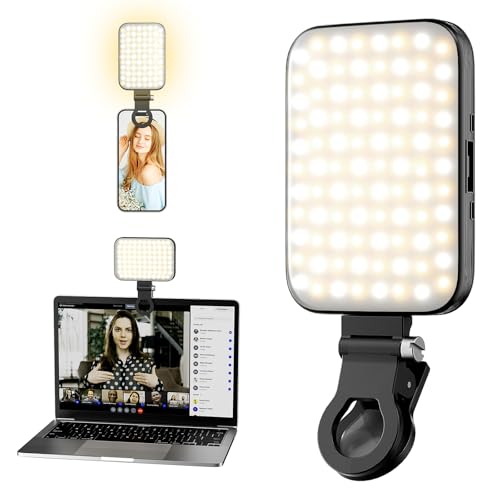
GLOUEN Rechargeable Phone Selfie Light Clip
Inside Each Recommended Option
The Halo 100x is a COB-style continuous LED (COB, or “chip-on-board,” packs many tiny diodes into one bright cluster), and at 100W it sits well above the ring lights most creators start with. Amaran fits it with a full-size Bowens mount, the same bayonet-style accessory lock used across Amaran and Aputure gear, so softboxes and reflectors drop on without adapters. In a small studio, this means a single fixture can do key light, fill, and rim duty when modifiers change.
It is portable by COB standards, though “portable” still means a padded case and a sturdy C-stand or boom arm in tow. Compared to the NEEWER 18-inch ring coming next, this is a different beast: the Halo throws concentrated, shapeable light, while a ring leans on soft, wraparound glow for faces. Creators running YouTube sit-downs, product reviews, or interview setups with controlled backdrops benefit most.
Positive Takeaways
- Bi-color output lets you tune warmth without swapping gels, useful when matching room lighting or camera white balance.
- The Bowens mount opens up a wide modifier ecosystem, so the fixture grows with your kit instead of locking you in.
- High wattage translates to real headroom, meaning you can soften through a large softbox and still keep shutter speed reasonable.
- Continuous LED means what-you-see-is-what-you-record for exposure and color, no strobe sync to worry about.
Trade-Offs To Weigh
- The fixture runs warm at full power, so owners commonly pair it with active cooling awareness and a stable mount.
- It is overkill for casual Zoom calls where a soft desktop panel like the LitONES below does the job.
Key Attributes
Whose Shelf It Belongs On
Working creators who shoot talking-head videos, product demos, or controlled portrait work and want one fixture that anchors a full setup.
Reach For A Different Pick When
The NEEWER 18-inch ring suits you better for beauty tutorials where the signature catchlight and wraparound glow matter more than raw output.
The NEEWER 18-inch kit is the closest thing the category has to a default creator setup. The 55W LED runs at a fixed 5600K daylight color temperature, which keeps skin tones honest and avoids the mixed-lighting mess you get from warm tungsten room lamps. The 18-inch diameter is the sweet spot for solo creators: large enough to soften jaw shadows, small enough to keep on a desk or compact stand.
What tips this into a complete kit is everything bundled around the ring: a stand, a phone holder, a soft tube, and a carrying bag. The light stand ships in a separate inner box, a packaging quirk worth knowing up front, so check the bottom of the box on arrival. Compared to the Halo 100x above, this kit trades raw power for portability and the signature ring-shaped catchlight that beauty, lash, and makeup creators chase.
What Works In Its Favor
- The kit is genuinely complete, so a beginner does not need to chase down a stand or bag separately.
- Daylight-balanced 5600K output pairs well with most webcams and phone cameras without white-balance gymnastics.
- The circular shape creates that recognizable even glow on eyes, a real plus for makeup and tutorial content.
- 55W output is enough to overpower most home window light in a small room.
Honest Caveats
- 5600K is fixed, so dialing in warmer tones requires gels or a different fixture.
- Owners commonly report the included phone holder is serviceable but snug for larger phones with thick cases.
- The stand is sturdy for its class, though leaning over a desk setup on thick carpet can feel tippy.
Feature Snapshot
Right Fit For
Beauty creators, lash and tattoo artists, and anyone filming makeup tutorials or barber content who wants that classic ring glow.
A Better Fit Elsewhere
Pick the LitONES desktop panel if your work happens mostly on Zoom calls from a home office rather than on-camera tutorial setups.
The Verge Max is Amaran’s answer to creators who want soft, flattering light without hauling a separate softbox. It is an edge-lit panel, meaning LEDs fire in from the sides and bounce through a diffusion layer, producing a softer, more even wash than a bare COB. At 60W bi-color, it slots between the Halo 100x and the smaller desktop panels in this list.
The trade-off is real and worth flagging: it’s a panel, not a ring, so you lose that signature circular catchlight. What you gain is a thin, low-profile fixture that disappears on camera and plays well as a key or fill from above. In a two-light interview setup, it shines as the soft source opposite a punchier COB. The dark charcoal finish helps it blend into darker studio backgrounds, a quiet but real benefit.
Notable Gains
- Edge-lit diffusion wraps around the subject’s face, softening wrinkles and skin texture more than a bare LED.
- Bi-color output covers warm and cool tones, useful for matching mixed room lighting or shaping mood.
- Slim profile means it tucks behind a monitor or hangs above a desk without dominating the frame.
- Continuous output keeps exposure predictable for both video and stills from the same setup.
Less Ideal Details
- 60W is modest for larger rooms, so you may want two for proper coverage.
- It’s a panel, so anyone chasing ring-shaped catchlights will want the NEEWER ring instead.
Core Details
Built With In Mind
Streamers, podcasters, and interview creators who want soft, even light from a low-profile fixture that disappears on camera.
Swap It Out When
Go with the NEEWER 18-inch ring if your content leans on beauty and makeup close-ups where the ring catchlight matters most.
The LitONES panel sits on the opposite end of the spectrum from the Amaran COBs above. It is a small, monitor-mounted or desktop light aimed at the work-from-home crowd. Think Zoom calls, weekly standups, occasional streaming, and video interviews where the boss needs to see your face without the harsh glow of a ceiling fixture.
What stands out is the four-layer optical soft panel with edge-lit diffusion, which keeps glare off your eyes and avoids the hotspot you’d get from a single bare LED. On long days, that matters: harsh frontal light is the fastest way to feel drained on a three-hour video call. Compared to the NEEWER ring, this is more compact and office-friendly, with less raw output and a much smaller frame.
Key Advantages
- Soft edge-lit output keeps skin tones even and avoids the squinty look under bright bar lights.
- Compact footprint fits beside or on top of a monitor, ideal for cramped desks.
- Purpose-built for video calls and streaming, so the tuning is dialed for faces rather than full scenes.
- Eye-care framing means longer calls stay comfortable, particularly in dim home offices.
Points To Keep In Mind
- It’s tuned for face lighting, so it is not the right tool for lighting a full room or product backdrop.
- Compared to the Amaran Halo 100x, the output ceiling is low, meaning larger scenes lose detail.
Perfect Match For
Remote workers, daily Zoomers, and casual streamers who want clean facial lighting without rigging a full studio setup.
Look Elsewhere When
Choose the NEEWER 18-inch ring instead if you film tutorial content where the circular catchlight and broader scene coverage matter.
The NEEWER N23 is the smallest entry on this list and a different category altogether. It is a clip-on selfie ring that mounts to a phone, laptop, or webcam, weighing under four ounces. At 4.8W bi-color, it does not replace any of the panel or COB options above. It complements them.
The interesting part is that NEEWER markets this as their “entry level” tier, designed for absolute beginners who want one simple function done well. The 2000mAh internal battery is the real hook: no cables, no rig, no tethered power brick. Creators who shoot on the move, in cafés, or in awkward lighting conditions can clip this on and pull usable footage in seconds. A claimed CRI (Color Rendering Index, a score that tells you how accurately a light reveals true colors) of 90+ means skin tones hold up rather than going green or orange.
Where It Excels
- Pocketable build slips into a phone case pocket or camera bag without weighing you down.
- Bi-color output covers warm and cool tones, a rare feature at this size.
- Battery-powered design means no tether to a wall outlet or power bank.
- High CRI helps skin look true rather than washed out under tricky mixed lighting.
Practical Considerations
- 4.8W fills a face but not a scene, so it is fill light, not key light.
- Battery life shrinks fast at peak brightness, so plan a top-up between shoots.
- The clip grip can mark soft cases on certain laptops, a small ownership note worth flagging.
Made For
Mobile creators who film short-form content, vlogs, and interviews away from a full studio setup and need grab-and-go fill.
Consider Something Else When
Pick the GLOUEN clip below if a digital brightness display and finer level control matter more than battery capacity.
The GLOUEN clip rounds out the list as the casual entry point: a rechargeable, clip-on phone light with three color modes and ten brightness levels. The headline feature is a small digital display that shows the current level, which sounds trivial but means no guessing whether you’re at 40% or 80% mid-take.
It slots in next to the NEEWER N23, and the differences are real. The GLOUEN trades the NEEWER’s bi-color hardware for a stepped 3-mode system (white, warm, natural) plus ten brightness levels, which works well for content that rarely needs precise color tuning. Where it really wins is the visible readout and the simpler mode toggle. For TikTok creators who just want better light in five seconds flat, this lands well.
A Few Strong Suits
- Digital display removes the guesswork during shooting, which matters when adjusting on the fly.
- Three color modes cover most casual scenarios without overcomplicating the controls.
- Ten brightness levels allow finer dialing than the typical three-step clip-on light.
- Clip-and-go design requires no tools, mounts in seconds on most phones and laptops.
Small Limitations
- Color modes are stepped, not continuous, so matching mixed room lighting exactly is harder than with the NEEWER N23.
- Output is modest, meaning this fills faces well but cannot light a wider scene.
- Battery drains faster at top brightness, an ownership reality to plan around.
Best Suited To
Casual TikTok creators, students on Zoom, and beginners building their first creator setup who want simple, predictable light.
Skip It When
Go with the NEEWER N23 instead if you film in shifting conditions where continuous bi-color tuning outperforms stepped modes.
What Matters When Picking Ring Lights For Content Creators
Start with the shoot itself. A solo creator filming talking-head YouTube or tutorials lives in a different lighting world than a remote worker on six Zoom calls a day. The first group needs shape, depth, and room control. The second needs a soft, even wash on the face without rigging a full setup. Matching the fixture to the room saves both money and frustration.
Size and form factor matter more than raw wattage for most users. Ring lights create that signature catchlight and wraparound glow, which is why beauty and makeup creators gravitate toward them. Panels flatten everything and play well as fill or key in interview setups. COB fixtures throw concentrated, controllable light and pair with softboxes for serious shaping. Each form factor fits a different creator profile.
Color temperature and CRI decide how skin reads on screen. Fixed daylight (5600K) is simple but inflexible. Bi-color hardware lets you tune warmth to match room lamps or shape mood. CRI (Color Rendering Index, a 0–100 score for how faithfully a light source renders true colors) above 90 is the practical floor for any face-forward content, because lower scores quietly push skin toward green or orange in ways that only show up on playback.
Mounting, power, and portability are the unglamorous details that decide daily satisfaction. A ring on a flimsy stand that wobbles on carpet gets old fast. Battery-powered clips free you to shoot anywhere but limit output and runtime. Studio-grade COBs need stands, modifiers, and outlets. The honest read is to buy the rig that matches how you actually shoot, not the one with the flashiest spec sheet.
Key Considerations Across These Picks
Pitfalls Shoppers Hit
The most common mistake is buying wattage without thinking about distance. A 100W COB dumped on a face two feet away produces blown-out highlights, while a small panel placed poorly looks dim and flat. Light placement changes the look more than the wattage number on the box, so plan stand height and angle before you commit to a fixture.
Another trap is ignoring color accuracy. Bright LEDs with poor CRI scores look fine on the phone preview but turn skin tones sour on playback. Creators who wear makeup or film product close-ups notice this first, since both rely on faithful color rendering. CRI above 90 is the practical floor, and worth chasing even on cheaper picks.
Where The Extra Money Goes
Premium-tier lights earn their cost in three places: better color rendering, smoother dimming, and quieter cooling. Mid-tier fixtures tend to step brightness in visible jumps, which shows up as flicker when you adjust mid-take. Premium panels dim smoothly and hold their color temperature across the full brightness range, a quiet but real difference during longer shoots.
Build quality and modifier compatibility come next. A Bowens mount on a COB fixture opens up softboxes, grids, and reflectors, turning one light into many setups. Cheaper fixed-mount fixtures lock you into one look. The honest trade-off is that premium tiers make sense for working creators who shoot often, while beginners are usually better served by a complete mid-tier kit and the time it saves.
Frequently Asked Questions
What Size Ring Light Works Best For Solo Creators?
An 18-inch ring light is the sweet spot for most solo creators filming talking heads, tutorials, or beauty close-ups. Smaller rings can feel tight on wider framing, while larger rings become harder to mount and overpower for desk-bound content.
Do I Need A Bi-Color Light Or Is Fixed Daylight Fine?
Fixed daylight (5600K) is fine for creators who control their environment and want simple operation. Bi-color hardware becomes valuable the moment you film in mixed lighting or want to shape mood and skin warmth without swapping gels.
Are Clip-On Phone Lights Worth It For Real Content Creation?
Clip-on lights work well as fill or on-the-go lighting for vlogs, travel content, and quick social posts. They cannot replace a panel or COB for full-scene coverage, so most working creators keep one as a backup rather than a primary fixture.
What Is CRI And Why Does It Matter?
CRI, or Color Rendering Index, scores how faithfully a light source renders true colors on a 0–100 scale. For face-forward content, a CRI above 90 keeps skin tones natural rather than pushing them toward green or orange on playback.
How Long Do LED Ring Lights Typically Last?
Continuous-output LEDs are generally rated for tens of thousands of hours of use, which translates to years of regular creator work. Battery-powered clips have shorter effective lifespans because the internal cell degrades with charge cycles, so plan on replacing the battery or the unit within a few years of daily use.