

There’s a specific frustration that comes with trying to read in a shared bedroom, a dim dorm room, or a long-haul flight at 2 a.m.: the room needs to stay dark, but your eyes still need light. A good book light solves that quietly, clipping on, washing the page in warm or cool tones without waking the person beside you. I’ve spent years sorting through bedside lamps and clip-on lights for friends who read before sleep, and the category has matured fast. Modern book lights now pack full-spectrum LEDs, rechargeable batteries, and adjustable color temperatures that older incandescent clip-ons couldn’t touch.
Below are six reading lights that match common reading scenarios, from quick paperback sessions to multi-hour study marathons. I’ll explain what each one actually does on the page, who it suits, and where it falls short, then walk you through what separates a thoughtful pick from a basic clip-on.
The Essentials At A Glance

Gritin 2026 Gen 2 Book Light 30 LED Full Spectrum
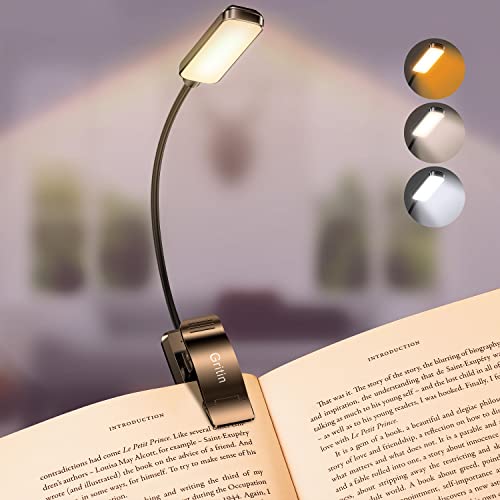
Gritin 9 LED Rechargeable Book Light

Gritin 2026 Gen 2 Book Light 32 LED Full Spectrum

Gritin 19 LED Rechargeable Book Light

Gritin Rechargeable Book Light 19 LED

86lux Rechargeable Book Light
More Details On Our Top Picks
The 30-LED Gritin 2026 Gen 2 sits in a useful middle ground for readers who want broad, even page coverage without upgrading to the densest array in the lineup. Full-spectrum LEDs (light that mimics natural daylight across the visible range) tend to render text colors and skin tones more accurately than older cool-white bulbs, which matters if you read illustrated books, maps, or craft patterns. Two lighting modes let you run only the inner row for a focused beam, or both rows for a wider wash across a full novel spread.
Bedtime readers in shared rooms benefit most, since the wider beam keeps light off the pillow beside them. Compared to the 9-LED Gritin that follows, this one trades portability for sheer coverage on the page.
Everyday Wins
- Two-row LED layout gives you a focused beam or a wide wash with one toggle.
- Full-spectrum output reads easier on the eyes over multi-hour sessions.
- Flicker-free design (steady light without rapid pulsing) reduces the eye fatigue that cheap clip-ons cause.
- Rechargeable battery cuts down on disposable cell swaps over months of nightly use.
Things To Consider
- The wider head may feel bulky on thinner paperbacks, depending on how you clip it.
- Owners commonly report that the highest brightness drains the cell faster than the lower modes.
Who It Suits Best
Readers who finish one or two chapters most nights and want a steady, full-spectrum beam that doesn’t fatigue their eyes.
Where Another Pick Suits Better
Travelers packing light should look at the 86lux palm-sized light, since the Gen 2’s wider head adds bulk to a carry-on.
The 9-LED Gritin keeps things simple, which is exactly why it earns its spot here. With nine LEDs arranged in a slimmer head, this clip-on targets paperbacks and trade books where you don’t need a wide wash, just a focused pool of light. Stepless dimming (smooth, continuous brightness adjustment rather than fixed levels) lets you ride from a soft 10% glow up to full brightness with one long press, then cycle through three color temperatures: warm, mixed, and cool.
That warm mode is genuinely useful before sleep, since cooler blue-heavy light can interfere with melatonin and make it harder to drift off. Compared to the 30-LED Gen 2 above, this one trades spread for portability.
Points In Its Favor
- Stepless dimming adjusts smoothly, avoiding the jarring step between fixed brightness levels.
- Warm color mode is gentler on tired eyes before sleep.
- Compact head fits thinner book spines without slipping.
- Rechargeable battery keeps running costs near zero.
Honest Caveats
- Nine LEDs spread light less evenly than the larger Gen 2 arrays across a wide-format page.
- You may find the clip tight on thicker board-book covers.
Quick Facts
Right Fit For
Commuters and casual readers who want a lightweight, inexpensive clip-on that slips into a coat pocket.
A Better Fit Elsewhere
Readers tackling large hardcovers or textbooks will find the 32-LED Gen 2 covers a wider page without constantly repositioning the clip.
The 32-LED Gen 2 is the densest array in this roundup, and that extra coverage translates directly into fewer hot spots and shadows on a wide-open book spread. With two rows of full-spectrum LEDs, you can light only the inner row for a tighter beam, or fire both rows when the page demands more even illumination. For large textbooks, art books, or oversized sheet music, that wider pool genuinely cuts down on the constant nudging you do with smaller clip-ons.
Compared to its 30-LED sibling at #1, the difference is subtle but real for big pages, since two extra LEDs in the outer row smooth the edges of the beam. The trade-off is a slightly larger head that may overhang thinner covers.
Notable Gains
- Highest LED count here means the most uniform light spread on oversized pages.
- Full-spectrum output handles color illustrations and charts more accurately.
- Two-row toggle lets you tune intensity without leaving the bed.
- Flicker-free performance suits long study marathons.
Points To Keep In Mind
- The wider head can feel oversized clipped to a slim novella.
- Running both rows at full brightness pulls battery life down faster than the lower modes, owners commonly find.
Built With In Mind
Students and serious readers working through large-format textbooks, sheet music, or coffee-table books that need even corner-to-corner lighting.
Reach For A Different Pick When
If portability matters more than coverage, the 9-LED Gritin at #2 slips into a bag and weighs less on a long trip.
The 19-LED Gritin takes a horizontal head approach that spreads 19 LEDs across a wider arc rather than stacking them tightly. That horizontal arrangement matters more than the LED number suggests: it shapes the beam into a flatter, broader oval that matches the natural shape of an open book. Three color temperatures (amber at 1800K, mixed at 3400K, and white at 6000K) cover everything from late-night wind-down to detailed daytime reading, and stepless dimming lets you fine-tune within each mode.
Bedtime readers sharing a room get the most from the amber setting, since warmer light falls off faster and bothers a partner less. Relative to the Gen 2 arrays above, this model sits in the middle on coverage but stands out for its color-temperature precision.
Everyday Perks
- Horizontal head geometry matches the shape of an open book, reducing edge shadows.
- Amber 1800K mode is genuinely gentle for late-night reading before sleep.
- Stepless dimming rides smoothly from a soft glow to full output.
- ABS (a tough, impact-resistant plastic) lampshade holds up to daily handling.
Trade Offs
- Nineteen LEDs cover a wide page well but don’t match the corner-to-corner reach of the 32-LED Gen 2.
- The horizontal head can clip awkwardly on very thick hardcovers, depending on cover depth.
Feature Snapshot
Whose Shelf It Belongs On
Couples sharing a bedroom where one partner reads late and the other needs to sleep.
Skip It When
If you read mostly in full darkness and want the gentlest possible amber glow, the 9-LED Gritin at #2 keeps things even simpler.
The other 19-LED Gritin shares the horizontal head approach with #4 but trims the price by stepping from stepless dimming to five fixed brightness levels per color temperature. For shoppers who don’t need infinite granularity, that trade-off is reasonable, since five steps is usually enough to find a comfortable glow across three color modes. The 3400K mixed, 6000K white, and 1800K amber range covers the same reading scenarios, from late-night amber to crisp daytime white.
The honest read here is that you give up fine-grained brightness control but keep most of the warm-to-cool flexibility. It’s the practical middle ground for value-focused readers.
The Value In It
- Three color temperatures handle bedtime and daytime reading in one unit.
- Horizontal head design keeps the beam shaped to an open book’s spread.
- Rechargeable battery eliminates ongoing disposable cell costs.
Less Ideal Details
- Five brightness steps feel less smooth than stepless dimming on the other 19-LED model.
- The ABS shade and hinge feel similar to higher-priced Gritins, though long-term durability reports vary by user.
Best Suited To
Value-focused readers who want warm-to-cool flexibility without paying for stepless dimming.
Consider Something Else When
Readers who crave the smoothest brightness transitions should look at the 19-LED stepless model at #4, since five steps can feel jumpy.
The 86lux book light takes the opposite approach from the wide-head Gen 2s: it shrinks the whole package down to roughly palm-sized, with a foldable arm and a compact clip that disappears into a backpack. Three temperatures (2700K amber, 4000K natural, and 5000K cool) cover the same wind-down-to-daytime arc, and the step-less dimming switch (held down for one second) gives you smooth control despite the small size.
Frequent travelers and commuters get the most out of this build. Compared to every Gritin above, the 86lux sacrifices LED count and beam width for portability, which is a fair exchange if your reading happens in transit.
Advantages To Know
- Foldable, palm-sized body slips into a jacket pocket or backpack sleeve.
- Step-less dimming delivers smooth control in a compact package.
- Amber 2700K mode is gentler for travel-day reading before sleep.
- Clip-on design attaches to books, e-readers, or airplane tray tables.
Worth Bearing In Mind
- Smaller LED count means narrower coverage on oversized pages.
- Compact clip grips thinner items more securely than thick hardcovers, depending on cover depth.
Core Details
Perfect Match For
Fliers, train commuters, and backpackers who want a small, foldable light that fits anywhere.
Swap It Out When
Home readers working through large hardcovers will prefer the 32-LED Gen 2 at #3, since its wider beam handles big spreads without repositioning.
What Matters Most Before Choosing Reading Lights
Color temperature is the first decision, and it tends to matter more than LED count for everyday comfort. Warm tones in the 1800K to 2700K range are easier on the eyes before sleep, while cooler 5000K to 6000K tones suit daytime study sessions where you want crisp contrast. Mixed modes around 3400K to 4000K land in the middle and work well for general reading.
Beam shape and spread affect how often you adjust the clip. A horizontal head with a wider oval covers an open book edge to edge, while a tighter round beam suits paperbacks and e-readers. For multi-hour sessions, full-spectrum LEDs and flicker-free output reduce eye strain in ways that basic cool-white bulbs don’t.
Beam Coverage And LED Layout
LED count alone doesn’t tell the full story. The 32-LED Gen 2 spreads its output across two rows for a wider oval beam, while the 9-LED Gritin concentrates into a tighter pool. Larger formats like textbooks and sheet music benefit from wider spreads, while travel-friendly paperbacks handle narrow beams fine.
Dimming Control And Battery Life
Stepless dimming lets you find the exact brightness that works in your room, while fixed brightness levels jump between set points. Built-in rechargeable batteries cut down on disposable cell swaps, though running at full brightness drains the cell faster than lower modes, owners commonly report.
Portability Versus Coverage
Travelers and commuters usually prefer a foldable, palm-sized build like the 86lux, while home readers often want the wider beam of a larger-head model. Clip thickness matters too: a wider clip may not grip thin novellas well, while a tighter clip can struggle with thick hardcovers.
Common Slip-Ups Shoppers Hit In This Category
The most common mistake is buying purely on LED count without checking beam shape. A 32-LED model with a narrow round beam may cover less of a wide page than a 19-LED model with a horizontal spread. Look at head design first, then LED count.
Another trap is ignoring color temperature. A cool-only light feels harsh at midnight, while an amber-only light feels dim during daytime study. Models with at least three temperatures give you room to adjust.
Wrong Turns To Avoid
Skipping rechargeability in favor of cheaper disposable-cell models adds up over months of nightly use. Built-in rechargeable batteries pay back the small price premium quickly.
What The Higher Tier Buys You
Premium models earn their price through denser LED arrays, full-spectrum output, and stepless dimming. If you read multiple hours most nights, those upgrades reduce eye strain in ways basic clip-ons can’t match.
Frequently Asked Questions
What color temperature is best for reading before bed?
Warm tones in the 1800K to 2700K range are easiest on tired eyes and less likely to interfere with sleep. Cooler tones above 5000K can feel jarring at midnight and may make it harder to drift off.
How many LEDs do I really need in a reading light?
LED count matters less than beam shape, but for large textbooks or hardcovers, 19 or more LEDs in a horizontal layout spread light more evenly. For paperbacks and travel, 9 LEDs in a compact head handle the job fine.
Are rechargeable book lights worth it over battery-powered ones?
Rechargeable lights cost a bit more upfront but save money and hassle over months of nightly use. They also tend to ship with brighter, more efficient LEDs than older disposable-cell models.
Can I use a book light on a Kindle or e-reader?
Most clip-on book lights grip e-readers fine, though very thick cases may need a wider clip. A horizontal head beam works well across a Kindle page without washing out the screen.
How long do rechargeable book lights typically last per charge?
Battery run time varies by brightness level, but most rechargeable book lights run several evenings per charge at medium settings. Owners commonly report that running at the highest brightness drains the cell much faster than lower modes.