

I remember squinting over a recital piece at 10 p.m., sheet music curving into shadows under a single overhead bulb. That’s the problem the right piano light solves: even, eye-friendly illumination that stays out of your sightline so the music stays the focus. This roundup covers clip-on stand lights that ride along with the music, plus a couple of desktop options that pull double duty in a home studio or living room.
The Choices Worth Comparing

Glocusent Rechargeable Music Stand Light 11.2” Wide

Glocusent 81 LED Music Stand Light 3 Color

Vekkia Professional 88 LED Rechargeable Stand Light

Bankers Lamp Brass Finish Green Glass Shade
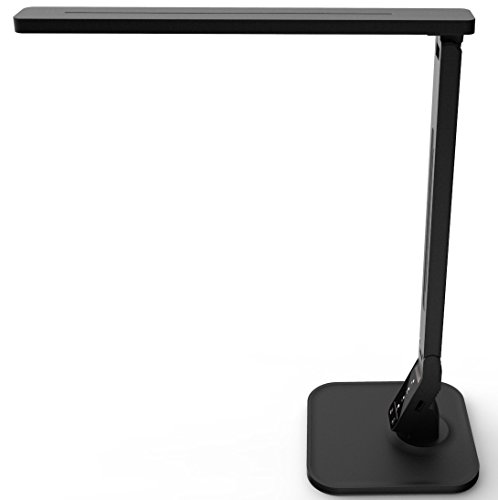
Lampat Dimmable LED Desk Lamp Piano Black

Glocusent Rechargeable Stand Light 4000mAh Case
Inside Each Recommended Option
The Glocusent 11.2-inch bar is the kind of light most students end up buying first. It clamps onto a standard music stand lip and aims a wide, even strip of light across both pages of a standard hymnal or two facing sheets of music. For someone running through Suzuki books at the kitchen piano after work, the cordless setup means no cord draped across the sustain pedal or underfoot.
Compared to the tighter clip lights of a decade ago, this bar covers page edges that older designs left dark. That extra coverage is what most casual players notice first: fewer missed notes, less squinting, and a calmer practice session overall.
Where It Delivers
- 57 LEDs spread across the 11.2-inch bar keep both pages evenly lit without a harsh hotspot in the center.
- Rechargeable battery frees the stand from outlet hunting in older practice rooms.
- Multiple color temperatures let you pick warm light for evening practice or cool light for daytime scores.
- Adjustable brightness helps the same light serve a quiet bedtime review and a louder, more focused lesson.
Things To Consider
- The clamp fits standard music stands but may sit loosely on very thick desktops or wire racks.
- Runtime shrinks noticeably at the highest color temperature, so heavy users plan a midweek top-up.
Feature Snapshot
Made For
Students and casual adults who want a single light that handles lesson books, hymnal pages, and casual evening play.
Consider Something Else When
Players gigging on dim stages should reach for the 81-LED Glocusent instead, since its wider bar reaches all 88 keys.
The 81-LED step-up is the one I point performers toward. Its 12.9-inch bar throws a noticeably brighter wash than the smaller Glocusent, and a light shield along the bar keeps spill light off your face, which matters more than people expect under stage lights. The extra length also spans a full 88-key keyboard rather than just the middle octave.
For accompanists playing under warm house lights, five brightness steps and three color temperatures are usually more than enough. You dial in a warmer tone for choir rehearsals, a cooler tone for orchestra pits, and you’re done fiddling with it.
Everyday Advantages
- 81 LEDs cover up to four pages of sheet music or all 88 piano keys without dim corners.
- The shield along the bar keeps light off your hands and face, which preserves sightlines.
- Three color temperatures and five brightness steps handle dim churches and bright recital halls.
- Rechargeable design still frees the stand from any outlet hunt.
Worth Noting
- It’s the priciest clip-on on this list, so casual players may not see a clear benefit over the 11.2-inch model.
- The longer reach means a wider clamp footprint, which can crowd thinner wire stand tops.
Feature Snapshot
Right Fit For
Working pianists, accompanists, and serious students who gig or play in recital settings where dim house lighting matters.
Swap It Out When
Home-only players who just need a comfortable reading light are better served by the cheaper Glocusent 11.2-inch model above.
The Vekkia brings the most tuning knobs to the category, and they actually do something. SMD LED technology, which uses surface-mounted diodes for tighter, more efficient light distribution, runs the show, paired with an adjustable color rendering index. That last bit matters if you’ve ever noticed sheet music looking flat or yellowish under cheap LEDs: higher color rendering means the printed notes look closer to how they look under daylight.
You get 15 total modes (five brightness levels crossed with three color temperatures), so dialing in the exact room is part of the routine. For players who practice late and want gentler light, the warmer end of the scale reduces that screen-like glare.
Useful Touches
- 15 combined modes (5 brightness × 3 color temperatures) offer genuinely useful fine tuning.
- Adjustable color rendering index makes printed sheet music easier on tired eyes.
- Rechargeable battery keeps the cord off the floor during long home sessions.
- 88 LEDs give a generous spread over a full hymnal spread.
Room For Improvement
- More modes than most people actually use, so the button map has a learning curve.
- Some owners report the clamp stiffens up in very cold practice rooms.
Best Suited To
Late-night practitioners and detail-oriented readers who want a softer, more natural-looking light on printed notes.
A Better Fit Elsewhere
Performers playing small venues without much tuning time should grab the Glocusent 81-LED model, which is simpler to dial in.
The brass-and-green-glass Bankers Lamp doesn’t clip onto a music stand at all. It’s a tabletop fixture, and that’s the point. If your piano sits in a living room or parlor where it does double duty as furniture, a clip-on bar feels out of place next to the woodwork. The classic pull chain and weighted base feel right at home in a styled room.
Unlike the rechargeable clip-ons above, this is a plug-in accent that mostly lives on top of an upright or a side table. The green glass shade softens whatever bulb you drop in and creates the warm library-glow that clip lights can’t match.
A Favorable Mix
- Brass-finish base pairs with both vintage and modern decor styles.
- Thickened green glass shade is built to resist discoloration over years of daily use.
- Pull-chain switch keeps operation simple, no touch panels to fumble with.
Points To Note
- It’s a stationary lamp, so moving it between rooms or gigs isn’t realistic.
- The green shade softens but also tints the light, which some readers find too colored for dense scores.
- Bulb choice is yours to supply, and that affects brightness more than the lamp body itself.
Whose Shelf It Belongs On
Homeowners who treat the piano as living-room furniture and want lighting that pulls its decorative weight.
Reach For A Different Pick When
Players who need even, glare-free light on sheet music should grab the Glocusent 11.2-inch clip-on instead.
The Lampat isn’t marketed to musicians, but it lands in piano territory often anyway. It’s a sturdy gooseneck desk lamp with four preset lighting modes aimed at Reading, Studying, Relaxation, and Bedtime, which conveniently line up with how most people use a piano at home. The Piano Black colorway keeps the look understated on a music shelf.
Compared to the music stand clip-ons above, this lamp shines on the keys and music from a stationary position beside the piano. You give up portability, but you gain a touch panel, a 5V/1A USB charging port for a phone or tablet, and a one-hour auto-off timer that’s nice for kids practicing before bed.
Everyday Perks
- Four preset modes (Reading, Studying, Relaxation, Bedtime) match common home piano routines.
- Five-level dimmer lets you tune brightness for both scores and casual play.
- 5V/1A USB charging port handles a phone, metronome, or tablet while you practice.
- One-hour auto timer is useful for kids who fall asleep mid-piece.
Some Limits To Know
- A gooseneck desk lamp sits beside the piano rather than clipping to it, so it takes up side-table space.
- The mode presets are general-purpose, not music-specific, so dimming may need manual adjustment.
Perfect Match For
Homeowners who want one lamp to handle piano practice, late reading, and the occasional homework session.
Skip It When
Players taking the light to gigs or lessons should pick the Glocusent 4000mAh with EVA case instead.
The 4000mAh version of the Glocusent adds two things the standard model doesn’t: a higher-capacity battery and a hard EVA carrying case. For traveling teachers, choir accompanists who shuttle between churches, or any musician who plays at multiple venues, the case is the real sell. The lamp itself uses the same 57-LED, 11-inch bar as the first pick, so the on-stand experience feels familiar.
The larger battery roughly doubles run time for me in casual use, which means fewer mid-lesson scrambles for a charger. The EVA shell keeps the light, cable, and any small accessories together in a gig bag.
Practical Advantages
- 4000mAh battery extends run time for back-to-back lessons and rehearsals.
- EVA carrying case protects the bar and cable during transport.
- 57 LEDs spread across an 11-inch bar deliver even coverage on standard sheet music.
- Same rechargeable design means no hunting for outlets in unfamiliar venues.
Honest Caveats
- The case adds bulk that casual home players don’t need.
- Larger battery adds a touch of weight compared to the slimmer 11.2-inch sibling.
Built With In Mind
Traveling teachers, gigging pianists, and choir accompanists who carry their gear between locations regularly.
Look Elsewhere When
Home-only players should save the case money and choose the standard Glocusent 11.2-inch model above.
What Matters Most Before Choosing Piano Lights
The first decision is portability. Clip-on music stand lights travel with the music, which suits students carrying books between lessons and performers moving between rehearsal rooms. A desk lamp like the Lampat or a decorative fixture like the Bankers Lamp stays put, which suits a home piano that doubles as living-room furniture.
The second decision is coverage. Bar width matters more than total LED count on its own, because a wider bar prevents dark zones at page edges. A short bar under 10 inches struggles with full hymnal spreads, while anything 11 inches or longer tends to handle two facing pages cleanly. Battery capacity matters for traveling players but is irrelevant for a lamp that never leaves the house.
The third decision is color and brightness tuning. Multiple color temperatures help with everything from late-night bedroom practice to bright recital halls. A five-step dimmer is enough for most home players; more granular tuning is only useful for working musicians who deal with unpredictable stage lighting.
Pitfalls Shoppers Hit and The Upgrade Payoff
Mistakes Worth Dodging
The biggest trap is matching a clip-on to a piano that lives in a styled room. A bright bar clipped to a wooden music desk can look out of place next to heirloom furniture, and you’ll resent it every time you sit down. A second common mistake is buying the cheapest 5-LED novelty light, which leaves page edges dim and tends to flicker under camera exposure for video lessons.
When Paying More Pays Off
Higher-tier models add three things worth paying for: longer bars that cover all 88 keys, larger batteries that survive full rehearsals, and bundled cases that protect the light during transport. For players who never leave home, the upgrade isn’t worth it. For working pianists and teachers, the extra cost buys fewer interruptions and a longer service life.
Frequently Asked Questions
How wide should a piano light bar be?
A bar around 11 inches covers standard hymnal spreads cleanly, while 12 inches or more spans all 88 keys for performers who read beyond the middle octave.
Are rechargeable music stand lights bright enough for stages?
Yes, mid-to-high tier rechargeable bars with 60 or more LEDs handle dim church and recital settings when set to a higher brightness level, though house lighting varies.
Can a regular desk lamp work as a piano light?
A flexible gooseneck desk lamp works fine for home pianos that sit near a side table, though it won’t follow the music like a clip-on bar.
Do piano lights cause glare on glossy sheet music?
Quality clip-ons include a light shield along the bar, which directs the beam downward and reduces glare on glossy or laminated pages during long sessions.
How long do rechargeable piano lights typically last per charge?
Run time varies widely by brightness setting, but most 11-inch bars run several hours at medium brightness, while higher-capacity batteries stretch that to a full day of lessons.