

Working trucks, plows, security vehicles, and roadside assistance rigs all face the same core problem. Other drivers miss them until they’re already too close. A solid bar emergency light solves that with enough output and pattern variety to cut through fog, glare, and tired eyes. I put this list together for fleet managers, tradespeople towing trailers, volunteer responders, and anyone running a work vehicle who needs real visibility, not just a flashing gimmick.
The Lineup, Simplified

ASPL 2×16.8 inch Emergency Flashing LED Traffic Advisor Strobe Light Bar 32LED 26 Flash Patterns Interior Safety Warning Lights
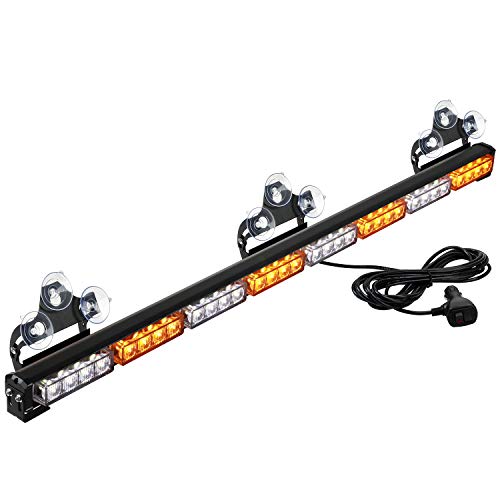
ASPL 36″ 32LED Traffic Advisor Light Bar Warning Emergency Strobe Light Bar Directional Flashing Emergency Caution Lighting Led Safety Lights

LINKITOM LED Strobe Flashing Light Bar with Magnetic Base, Amber

38″ 78 LED Emergency Rooftop Strobe Light Bar Safety Traffic Advisor Warning Hazard Light Double Side Flashing with Magnetic Base
ASPL Visor Lights Bar 2-15 LED 29 Flash Patterns Interior Upper Windshield Split Mount Emergency Hazard Warning Strobe Light Bar Take Down Light Kit

2-Pack Amber Strobe Lights Grille Lamp Surface Mount Flashing Lights LED Emergency Warning Lights for Trucks Vehicles Motorcycle Drone

2-Pack Amber Strobe Lights Grille Lamp Surface Mount Flashing Lights LED Emergency Warning Lights Compatible for Trucks Vehicles
More On The Choices That Made The List
The ASPL dual 16.8-inch pair splits its LED output across two shorter bars rather than one long one. That matters on trucks with divided dashes or visor-style mounts where a single 36-inch bar simply won’t fit. With 32 LEDs total behind wide optic lenses (a lens shape that spreads light across a broader angle for stronger side visibility), daytime brightness is genuinely competitive, and the 26 flash patterns cover the steady-burn, alternating, and directional-arrow modes most crews rely on.
Unlike a rooftop bar that announces itself from a mile away, this set hides behind glass and lights up only when duty calls. That’s the appeal for security contractors, funeral escorts, or anyone running an unmarked rig. In most sedans and SUVs, two short bars tucked at the headliner corners create surprisingly broad coverage without crowding the windshield view.
Useful Strengths
- Wide optic lenses push light sideways for stronger shoulder-road visibility
- Aluminum casing pulls heat away from the LED chips, a small but real factor for long shifts
- 26 flash patterns include directional-arrow sequencing for lane-closure work
- Two-bar layout fits vehicles where one long bar physically won’t mount
- Daytime output holds up against direct sun, which matters for outdoor crews
Things To Consider
- Interior mounting means reflectivity drops off in heavy rain without a roof bar for backup
- The aluminum shell helps with heat, but the wiring harness is best secured by someone comfortable routing 12-volt cables
Whose Shelf It Belongs On
Best suited to unmarked security, escort, or volunteer vehicles where a rooftop light is undesirable but a serious warning footprint is still needed.
Reach For A Different Pick When
Anyone needing maximum on-road presence should look at the 38″ AMEXMART bar instead, since it covers more arc with far more LEDs.
The 36-inch ASPL is the natural big brother to the dual 16.8-inch set. One continuous bar, 32 LEDs behind wide optics, and a directional traffic-advisor function that actually moves light left or right instead of just blinking in place. For tow operators, utility crews, and pilot-escort drivers, that directional sweep is the difference between “blinky decoration” and a real signal other motorists can read.
The included 16-foot straight cord is unusually generous. Run it cleanly to a switch panel or rocker bank, mount the bar at the rear window or roofline, and the install stays tidy on crew cabs. Compared with the shorter ASPL set above, you give up the split-mount flexibility for a longer single arc that reads more clearly from a distance.
Useful Touches
- Directional traffic advisor arrows work for both lane shifts and shoulder closures
- 16-foot cord simplifies rear-window or visor installs in crew-cab pickups
- Wide optic lenses spread output across lanes, not just directly behind
- Aluminum housing aids heat dissipation across warm summer workdays
Trade Offs
- One continuous 36-inch bar won’t fit where the dual 16.8-inch set would, especially in narrow visors
- No magnetic base, so this is a hard-mount or visor setup rather than a quick transfer between vehicles
- Crew members routing the long cord should plan where the control box lives before drilling
Feature Snapshot
Made For
Tow operators, utility crews, and pilot-escort drivers running full-size pickups who need real directional signaling.
Swap It Out When
If you want a quick-mount magnetic bar you can move between vehicles, the LINKITOM bar is the better match.
The LINKITOM trades a hard-mount bracket for strong magnets, and that single decision reshapes who this bar is for. Contractors who rotate between a service truck, a personal pickup, and a spouse’s SUV all share one light, not three. 30 LED chips sit on both sides of the bar for 360-degree amber output, and the aluminum shell keeps weight down while it handles heat.
The double-sided design catches drivers approaching from any angle, including the perpendicular cross-traffic that often fails to spot a single-facing rooftop bar. Set it down, run the cord to a 12-volt outlet, and go. In a shared-fleet shop, that speed adds up over a year.
What Stands Out
- Double-sided LED output gives genuine 360-degree amber warning
- Magnetic base moves between vehicles in seconds, no tools needed
- Aluminum housing trims weight, which protects roof paint on lighter vehicles
- Amber-only output complies with the most common roadside safety conventions
Honest Caveats
- Magnetic mounting should be checked before highway runs since hard pothole impacts can shift a roof-mount
- No hard-mount bracket in the box, so permanent installers will need to source one separately
- Lighter than roof bars with full LED counts, so output is solid rather than dominant in direct midday sun
Right Fit For
Shared-fleet shops, volunteer responders, and contractors who move a single warning bar between two or three vehicles.
Look Elsewhere When
Crews that want a fixed roofline bar with maximum LED presence should consider the AMEXMART 38-inch bar instead.
This 38-inch AMEXMART bar pushes 78 LEDs through TIR optic lenses (Total Internal Reflection optics, which bend and focus light into a tighter, brighter beam than a basic lens). The result is the highest LED density on this list by a comfortable margin. Work-truck drivers rolling into active jobsites, fog bank pulls, or pre-dawn plowing shifts need exactly that. Side-firing double rows also pick up the cross-traffic that purely forward-facing bars miss.
Magnetic mounting stays in the picture thanks to four heavy-duty magnets paired with rubber suction cups, a setup commonly cited as holding at highway speeds on steel roofs. Compared with the LINKITOM, you trade weight and roof footprint for genuinely serious output, which is the right call for full-time work rigs.
Features That Help
- 78 LEDs is the highest count on this list, with TIR lenses focusing output into a strong working beam
- Double-side flashing reaches cross-traffic at intersections and pull-offs
- Rubber-cupped magnets protect roof finish while keeping the bar planted at speed
- 360-degree coverage reads in fog, rain, and direct sun where smaller bars wash out
A Few Limitations
- Larger and heavier than the LINKITOM, so it really wants a full-size truck roof
- Magnetic mounting on aluminum or composite panels requires a hard-mount bracket instead
- Crews running it daily should check magnet tightness weekly, since vibration can settle pads over time
Quick Facts
Best Suited To
Active jobsite crews, plow operators, and tow drivers who run full-size trucks and need the strongest on-road presence in this list.
A Better Fit Elsewhere
Anyone running an unmarked sedan should look at the ASPL dual 16.8-inch interior set instead, since this roof bar is sized for trucks.
The visor-mount ASPL lives a hidden life. Mounted high on the windshield with two short 15-LED bars, it stays nearly invisible from outside until the operator hits the switch. Volunteer firefighters, community safety patrols, and off-duty responders tend to favor exactly this kind of clean, on-demand setup. The 29 flash patterns push past basic strobe into take-down lighting, which is a steady-burn forward beam used to illuminate a scene without strobing the operator’s eyes.
Compared with the dual 16.8-inch ASPL set earlier, this kit trades the wide-optic lens for a clear PC (polycarbonate) lens that focuses output forward, and adds a cab-side flash-mode screen plus six control buttons. The result feels more like a piece of pro equipment than a casual add-on.
What Earns Its Place
- Visor mounting keeps the bar invisible when off, preserving unmarked vehicle status
- Take-down light function is genuinely useful for accident-scene work
- Cab-side display and six control buttons make pattern changes fast under stress
- Clear polycarbonate lens holds up to heat better than basic plastic alternatives
Points To Keep In Mind
- Visor mounting can partially block the rearview mirror, depending on windshield rake
- Control box placement requires running a wire to the visor area, which can snag sun visors over time
- Take-down function adds value for responders, but less so for fleet drivers who never leave the cab
Who It Suits Best
Volunteer responders, community patrol drivers, and any operator who wants serious warning capability without a permanent external light.
Consider Something Else When
Fleet trucks that need a full-time roofline presence should pick the AMEXMART 38-inch rooftop bar instead.
Two-packs earn their place when the job needs flanking warning, not one strong center bar. The AMEXMART grille set puts a four-LED head on each corner of the front end, where a single roofline bar would still leave the lower front fascia dark. Tow trucks, plow pickups, and security SUVs running low-profile bumpers tend to get the most from this format.
The amber-and-white dual color gives operators more than one signal option. Run amber-only for standard safety work, or mix in white for scene illumination at an incident. The aluminum housing with a clear polycarbonate lens holds up to road salt and pressure-wash sessions, which is the kind of detail that decides whether a grille light lasts one winter or five.
The Upside
- Two-head setup fills the lower front arc where roof bars lose coverage
- Amber-white dual color supports both warning and scene-illumination roles
- Aluminum body with PC lens shrugs off road grime and pressure washing
- Surface mount fits tight bumper and grille spaces a long bar cannot reach
Practical Considerations
- Two separate heads mean two wires to route, which adds install time over a single bar
- Lower mount height exposes the heads to more rock chips and debris than a roof bar
- Output per head is modest, so pairing with another light source for foggy nights is wise
Spec Overview
Who Should Grab It
Tow and plow operators, security SUVs, and any truck owner who wants corner-fill warning without a rooftop bar.
Not Your Match When
Anyone running a low-roof sedan should look at the ASPL visor-mount kit, since grille lights work best with a clear front-end mounting surface.
The all-amber twin of the previous set trades the dual-color option for a single-color setup aimed squarely at jurisdictions and operators who want amber-only compliance. Same four-LED head, same aluminum body, same pressure-wash-ready polycarbonate lens, just locked into one color profile. For municipal fleets, private contractors subject to DOT (Department of Transportation) amber-only rules, or any operator who wants a clean visual signal without the white component, that focus is the whole point.
Compared with the amber-white twin set above, you give up scene-illumination flexibility in exchange for simpler wiring and a consistent amber signature across the truck. Mount them at the grille corners, on the rear bumper edges, or one of each, since the format works in pairs no matter where they land.
Key Advantages
- Amber-only output suits DOT-friendly and municipal fleet standards
- Two-head pack fills bumper corners or rear edges with one purchase
- Aluminum housing with PC lens handles salt, grime, and pressure washing
- Compact surface-mount footprint fits bumpers and light bars other shapes can’t
Possible Compromises
- Single-color setup offers no scene-illumination white mode
- Lower mounting height collects more road debris than a roof bar over time
- Two-wire routing takes longer than a single-bar install, so plan a quiet afternoon for the work
Perfect Match For
Municipal and DOT-compliant fleets, plus private operators who prefer a consistent amber signature across the whole vehicle.
Where A Sibling Pick Shines
Anyone who wants both warning and forward scene illumination should pick the AMEXMART amber-white twin set instead.
What Matters Most Before Choosing Bar Emergency Lights
The right pick depends on where it mounts, how visible it needs to be, and whether the vehicle is shared. A few honest trade-offs to weigh.
Mounting Style Sets The Job
Roof magnetic bars are fast and transferable, perfect for shared fleets, but they need a steel roof to grip safely. Hard-mount bars stay put through potholes and highway runs, which matters for full-time work trucks. Visor bars live a quiet life inside the cab, and grille lights fill the lower arc that roof bars miss. Most crews eventually run more than one type, so it helps to choose the primary mount around the most common duty.
Output And Pattern Count
LED count alone doesn’t tell the full story, since lens shape and optic design change how that light lands. A 32-LED bar with wide optics can outwork a 50-LED bar with narrow lenses in cross-traffic situations. Pattern count matters too. Crews running directional lane shifts should look for traffic-advisor sequencing, while accident-scene work wants a take-down or steady-burn mode.
Wiring, Length, And Install Reality
A 16-foot cord reaches most rear switch panels without splicing. Magnetic bars usually plug into a 12-volt outlet, which trades neatness for speed. Two-pack grille lights need a separate wire per head, so the install time roughly doubles. Crews new to 12-volt work should plan for basic tools: wire strippers, a crimper, and a test light. Anyone unsure should consult a professional installer rather than guessing at fusing.
Durability And Weather Resistance
Aluminum housings pull heat away from the LED chips, a small but real factor on summer workdays. Clear polycarbonate lenses handle road salt and pressure-wash sessions better than basic plastic. Magnetic pads with rubber suction cups protect roof paint while keeping the bar planted at speed. None of these are glamorous, but they decide whether a bar is still working three winters from now.
Key Considerations Across These Picks
Mistakes Worth Dodging
A common slip is choosing LED count over lens design. A 78-LED bar with focused TIR optics can outperform a 90-LED bar with cheap lenses in cross-traffic visibility, since the light lands where it counts. Another trap is assuming a magnetic bar holds at any speed. In our view, checking pads before highway runs is non-negotiable, since hard impacts can settle a magnet that felt solid at low speeds. Finally, overlooking local rules bites people often. Some jurisdictions restrict amber-only or red-blue color combos, so verify before ordering.
Why Top Tier Costs More
Higher-tier bars tend to buy three things. First, better thermal management through aluminum housings that keep LEDs cooler across long shifts. Second, optic quality, where TIR and wide-angle lenses shape light instead of just letting it spill. Third, control hardware, since cab-side displays and multi-button controllers make pattern changes faster under stress. For crews running lights daily, those upgrades add up over a year of saved install time, fewer replacements, and cleaner signaling. For occasional use, a more modest pick still does the job.
Frequently Asked Questions
How bright should a bar emergency light be?
Brightness matters less than light placement. A 32-LED bar with wide optics can outperform a higher-count bar with narrow lenses in cross-traffic situations. Match the optic to the duty, since accident scenes want focused beams and roadside warning wants spread.
Are magnetic mount bars safe at highway speed?
Most quality magnetic bars hold at highway speeds on steel roofs, especially with rubber-cupped pads. Always recheck magnet tightness after hard impacts, and never run a magnetic bar on aluminum or composite panels without a hard-mount bracket.
What is a TIR optic lens?
TIR stands for Total Internal Reflection. The lens bends and focuses light into a tighter, brighter working beam than a basic cover lens, which improves daytime and fog visibility at the cost of wider spread.
Do I need a directional traffic advisor function?
Tow operators, pilot-escort drivers, and lane-closure crews get real value from directional arrows since oncoming traffic reads them faster than alternating flash. Standard safety work rarely needs the feature, so it depends on the duty profile.
Can I run more than one bar at a time?
Yes, many crews combine a roofline bar with grille or visor lights for full coverage. Just make sure each light has its own fused circuit and that the total amperage stays within the vehicle’s 12-volt system limits.
Final Verdict
The right bar emergency light comes down to where it mounts and how often the vehicle moves. Shared fleets love the LINKITOM magnetic bar, work trucks lean toward the AMEXMART 38-inch, and unmarked responders get the most from the ASPL visor kit. Pick the mount that fits the duty, check the optic design, and verify local color rules before buying. Visibility on the road is rarely about a single feature, but about how the whole package works together across a long shift.