

Indoor gardening has shifted from a niche hobby into a year-round pursuit for many home growers, and the right lighting setup sits at the heart of that shift. I put this roundup together for anyone setting up a small tent, a closet garden, or a more serious flowering space who needs honest guidance on wattage, spectrum, and fit. The picks below cover serious 600W quantum boards, lighter 60W to 240W fixtures for tighter spaces, and freestanding floor lights for living-room greenery, so there’s something here for every kind of grower.
An Overview Of The Picks

HLG 600 Rspec FR 600W 120V LED Quantum Board Grow Light

VIPARSPECTRA 100 Watt LED Grow Light for Seed Starting

Barrina TX-S60 4FT Grow Light 60W with 660nm Red

Garpsen Floor Grow Light 3 Head Full Spectrum with Base
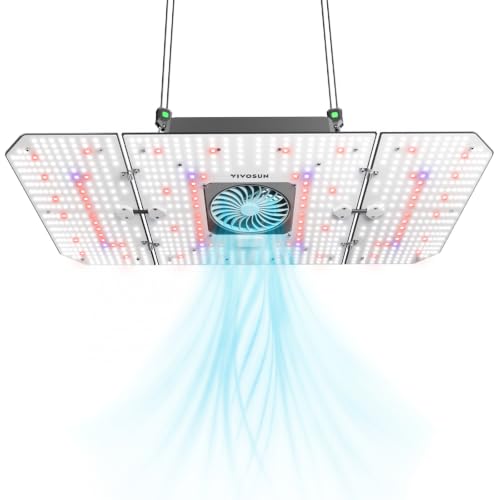
VIVOSUN AeroLight 240W LED Grow Light with Fan
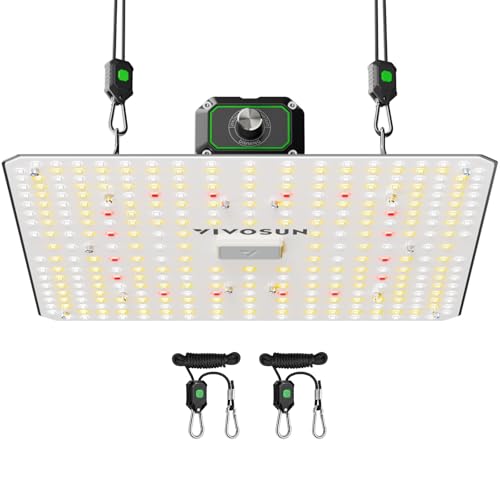
VIVOSUN LumaLight 100W LED Grow Light

Garpsen Grow Lights for Indoor Plants with Stand 80 LEDs

Garpsen Halo Grow Lights Dual-Head 6000K LED Floor Plant Light
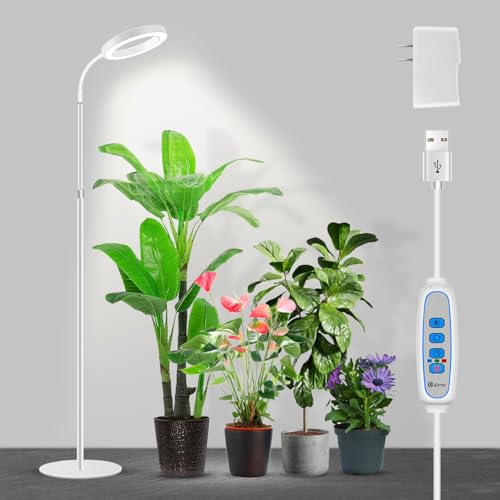
Garpsen Grow Light Full Spectrum with Stand for Large Plants

VIVOSUN LumaLight 320W LED Grow Light Full Spectrum
The Strengths Of Each Pick
The HLG 600 Rspec FR is the kind of fixture serious growers keep coming back to, and for good reason. It’s a quantum board design, which means the diodes spread across a wide board to bathe a 4×4 ft tent in even light rather than blasting a hot center spot. In real-world tents, that translates into less stretching on the edges and more uniform budding across the canopy.
Where this light really earns its place is during the heavy flowering phase, when plants pull in the most photons. Compared to the smaller panels later in this list, this one runs a 600W draw, so you’ll want a dedicated outlet and some headroom on your circuit. If you grow year-round and want a single light that handles veg and flower without swapping fixtures, it’s a strong anchor for the room.
Everyday Wins
- Quantum board spread keeps light even across a 4×4 ft footprint.
- Full-spectrum output covers seedlings through late flowering stages.
- Dimmable controls let you tune intensity for young plants.
- Efficient diode layout reduces heat per watt compared to older HID setups.
- ETL/UL certification adds a layer of safety confidence for home wiring.
Things To Consider
- At 600W draw, expect noticeable heat and a real impact on your electric bill.
- You’ll likely need a sturdy hanging kit and a height-adjustable ratchet setup.
Feature Snapshot
Who It Suits Best
Experienced growers running a 4×4 ft flowering tent who want strong, even canopy penetration and don’t mind the higher power draw.
Where Another Pick Suits Better
Closet gardeners with limited square footage may find the VIVOSUN LumaLight 100W a friendlier match, since it covers a smaller footprint without the heat output.
The VIPARSPECTRA 100W sits in the sweet spot for anyone starting seeds or running a small herb garden on a shelf. It’s compact, runs quiet, and throws enough usable light across a 2×2 ft area without cooking the leaves.
The upgraded diode layout gives a more even spread than older single-strip panels, and the high-safety driver helps it run cooler for long propagation cycles. For a beginner, the practical upside is simple: hang it, set a timer, and watch your seedlings take off without the noise or heat of a larger rig.
Positive Takeaways
- Compact size fits nicely over a small shelf or 2×2 ft grow area.
- Improved diode distribution spreads light more evenly than older panels.
- Lower wattage means a quieter setup and easier electrical load.
- Strong choice for seed-starting and herbs under 12 inches tall.
Honest Caveats
- Only 100W means flowering big plants in this fixture will be a stretch.
- Larger flowering tents will need several of these for proper coverage.
Best Suited To
New growers starting vegetables, herbs, or leafy greens on a small shelf or in a 2×2 ft propagation space.
Consider Something Else When
Those running a serious flower tent will get more from the HLG 600 Rspec FR, since 100W won’t fill a full flowering canopy.
The Barrina TX-S60 reads as a fluorescent replacement at first glance, but the inside tells a different story. It’s a slim 4-foot tube packed with 280 LEDs, including dedicated 660nm red diodes for flowering triggers.
Mounted at a few inches above the canopy, it produces a strong photosynthetic photon flux density (PPFD), which is just the measurement of how much usable light actually reaches the leaves. For tight shelving racks or vertical seed-starting walls, that matters more than raw wattage.
The Helpful Details
- Long 4-foot body lights a full shelving row in one fixture.
- 660nm red diodes support the bloom-stage stretch in vegetables.
- Low 60W draw keeps running costs in check.
- Daisy-chain friendly design simplifies multi-shelf setups.
Worth Noting
- Needs close canopy mounting to hit full PPFD, which limits use on tall plants.
- Tube form factor doesn’t suit flowering tents the way a panel does.
Right Fit For
Indoor gardeners running multi-tier shelves or propagation racks who need long, even coverage without a lot of wattage.
Skip It When
Single-canopy flowering tents will get more even coverage from the VIVOSUN AeroLight 240W.
This Garpsen floor model is the kind of light that disappears into a living room. The semi-transparent ring shades brighten the output, and the metal base keeps it planted firmly on hardwood or carpet without tipping over when the dog walks past.
The telescoping pole and gooseneck tube let you aim each of the three heads independently, which is handy when one plant is taller than its neighbors. For tall floor specimens like fiddle leaf figs or large monsteras, that flexibility replaces a lot of repositioning.
What Helps Most
- Three adjustable heads cover a wide cluster of plants at once.
- Stable metal base protects hardwood from scuffs and the light from tipping.
- Telescoping pole adjusts height as the plant grows.
- Full-spectrum output mimics the wavelengths houseplants use indoors.
Trade Offs
- Floorspace footprint is bigger than a hanging panel of similar output.
- Base can slide on slick tile without a non-slip mat underneath.
Whose Shelf It Belongs On
Apartment dwellers with multiple large houseplants clustered near a window who want a single fixture for all of them.
A Better Fit Elsewhere
Anyone running an actual grow tent will be better served by the HLG 600 Rspec FR, which fills a 4×4 ft canopy the way a freestanding light cannot.
The VIVOSUN AeroLight 240W solves one of the quietest problems in tent growing: stale air. The built-in fan pulls air through the canopy, which keeps humidity even and helps carbon dioxide reach the leaves instead of pooling at the top.
The full-cycle tunable spectrum means you can shift the recipe between vegetative growth and flower without changing fixtures. For growers in mid-size tents who already battle humidity swings, the airflow feature alone can simplify the whole room.
Everyday Perks
- Integrated fan replaces a separate clip-on circulation fan in many tents.
- Tunable spectrum supports both vegetative and flowering stages.
- 240W draw sits in a middle ground for tent growers.
- Cuts down on stagnant humidity pockets under the canopy.
Points To Note
- Fan noise adds a low hum that may be noticeable in open rooms.
- 240W is enough for a 3×3, but a 4×4 tent will need supplemental lighting.
Quick Facts
Made For
Mid-size tent growers who want airflow and lighting from one fixture, and who don’t mind a gentle background hum.
Look Elsewhere When
Anyone running a smaller seedling shelf will find the VIPARSPECTRA 100W quieter and easier to position.
The VIVOSUN LumaLight 100W reads like a versatile middle child in this list. It blends white, blue, red, and far-red wavelengths (3000K, 5000K, 660nm, and 730nm) so a single fixture can handle seedlings, leafy greens, and bloom-stage plants without a swap.
The strategic diode layout aims at uniform PPFD, which translates into fewer burnt tips on closer plants and less stretching on the corners. For growers in 2×3 or 3×3 tents, this one is built to cover the entire footprint without dead zones.
Why It Works Well
- Multi-wavelength blend supports full plant life cycles.
- Uniform diode spread reduces hot spots in small tents.
- 100W draw keeps power use manageable for closet growers.
- Compact housing fits tents where bulkier quantum boards won’t.
Soft Spots
- Doesn’t carry the raw output of higher-watt flowering panels.
- Larger tents may need two of these for full coverage.
Who Should Grab It
Closet and small-tent growers who want full-cycle spectrum without stepping up to a 600W quantum board.
Reach For A Different Pick When
Growers running a 4×4 ft flowering tent will be better served by the HLG 600 Rspec FR’s broader output.
Garpsen’s 80-LED stand-mounted light leans into convenience. The upgraded timer offers 6, 12, and 16-hour presets, which covers most leafy houseplants on autopilot. I find this useful for anyone who forgets to flip the switch after a long day.
The translucent ring shades brighten the output, and the included stand lifts the heads above the plant canopy without any hanging hardware. For someone setting up a corner of a living room, the assembly is about as simple as it gets.
Real Benefits
- Built-in timer with three presets simplifies daily routines.
- Stand removes the need for ceiling hooks or shelf mounts.
- Translucent shades boost usable brightness for plant growth.
- Compact base fits comfortably in tight apartment corners.
A Few Limitations
- Lower diode count than panel fixtures of similar size.
- Stand design limits how close you can bring light to tall plants.
Perfect Match For
Casual plant owners who want a no-fuss light that runs on a schedule and doesn’t require drilling or hanging.
Swap It Out When
Growers focused on heavy flowering will find the VIVOSUN AeroLight 240W a more serious flowering companion.
The Halo takes Garpsen’s floor-light concept and angles it wider. Two heads on flexible goosenecks swing independently, and the telescoping pole adjusts from a short herb-garden height up past six feet for tall floor plants.
The 168 LEDs lean cool at 6000K, which favors leafy vegetative growth over heavy flowering. That’s exactly what most indoor trees and tropical foliage want during darker months, and it keeps the plants compact instead of leggy.
Where It Helps
- Dual heads cover two plants at once or wrap a single large specimen.
- Wide height range suits anything from herbs to tall ficus trees.
- Cool 6000K spectrum keeps foliage tight and bushy.
- Cotton-padded base protects floors and resists slipping.
Worth Bearing In Mind
- Cooler spectrum means less red light for heavy flowering.
- Tall extended pole may need wall clearance in narrow apartments.
Built With In Mind
Apartment growers with tall houseplants like fiddle leaf figs, monsteras, or rubber trees who need flexibility without a permanent install.
Not Your Match When
Vegetable growers chasing heavy fruit set will get better results from the HLG 600 Rspec FR’s flowering-tuned output.
Garpsen’s larger stand-mounted light leans toward full-spectrum coverage with a tilt toward blue light at 6000K, plus the addition of 660nm red for bloom support. That mix makes it more capable than the Halo for fruiting or flowering houseplants.
The adjustable stand reaches tall, the goosenecks angle independently, and the metal base keeps everything steady. For families keeping a mix of foliage and flowering plants, this one balances both without forcing two separate fixtures.
The Good Stuff
- Full-spectrum blend supports both foliage and bloom stages.
- 660nm red additions help with flowering on indoor fruiting plants.
- Tall stand accommodates large floor plants.
- Gooseneck tubes aim light where each plant needs it most.
Things To Weigh
- Larger base footprint requires a clear corner to place it.
- Not designed for the high-intensity needs of dense flowering tents.
The Right Fit
Families with mixed houseplants, including some that flower or fruit indoors, who want one adjustable stand instead of multiple lamps.
Another Choice May Suit
Growers running a dedicated propagation shelf will likely prefer the Barrina TX-S60 tube setup for its slim rack-friendly shape.
The VIVOSUN LumaLight 320W closes the list with a light-bar matrix design and what the brand calls a micro-lens optic system. In plain terms, curved lenses redirect photons deeper into the canopy, which helps bottom buds on tall plants keep up with the tops.
For larger tents where even light matters more than raw wattage, this kind of optic design can reduce the gap between upper and lower yields. Compared to the older LumaLight 100W, the 320W version handles full flowering with far fewer hot spots.
A Few Strong Suits
- Micro-lens optics push usable light deeper into the canopy.
- 320W draw suits larger flowering tents without stepping into HID territory.
- Designed for high-yield setups where uniformity matters most.
Honest Caveats
- Higher wattage than smaller panels, so electric bill impact is real.
- Best results come in tents that match the recommended footprint.
At A Glance
Who Will Love This
Mid-to-advanced growers running larger tents who care about canopy uniformity and want deeper light penetration than a flat panel delivers.
Where A Sibling Pick Shines
Smaller closet growers will find the VIPARSPECTRA 100W a better match for tight spaces, since 320W is overkill for a 2×2 shelf.
Choosing The Right Grow Light For Your Setup
Match Wattage To Footprint
The single biggest mistake new growers make is treating wattage as the whole story. Wattage tells you how much power the fixture draws, but PPFD (the actual photons hitting the leaves) depends on how that wattage is spread. A 600W quantum board can blanket a 4×4 ft tent evenly, while a 100W panel only delivers serious output across a 2×2 ft area. In tight spaces, you may find that a 100W fixture outperforms a bigger one hung too close to compensate.
Decide Between Panels And Freestanding Lights
Panel-style fixtures (like quantum boards or light-bar matrices) win inside tents because they hang flush to the ceiling and cover square footage evenly. Freestanding lights with goosenecks and bases make more sense for living-room houseplants where hanging hardware isn’t practical. For most home setups, your environment dictates the form factor more than any spec sheet does.
Look At Spectrum And Tunability
Full-spectrum white LEDs cover the basics for seedlings through flower, but adding dedicated red (around 660nm) and far-red (around 730nm) diodes helps trigger bloom responses in vegetables and fruiting plants. If you grow leafy greens, a cooler 6000K bias works fine. For anything that flowers, a warmer 3000K blend or a tunable spectrum pays off.
Consider Airflow And Heat
Higher-wattage fixtures throw real heat, especially in enclosed tents. The VIVOSUN AeroLight’s built-in fan solves this by moving air through the canopy while it lights. For panels that don’t include fans, plan on a separate circulation fan and possibly ducting. Depending on your room size, the heat difference between 100W and 600W is dramatic and worth budgeting for.
Key Considerations Across These Picks
Where Shoppers Go Wrong
The most common slip-up is buying a 600W quantum board for a 2×2 ft closet. In tight spaces, a panel that powerful will bleach leaves unless hung high enough to spread the light, which defeats the point. Match the fixture to the footprint, not the brand reputation.
When Paying More Pays Off
Higher-tier models like the HLG 600 Rspec FR and VIVOSUN LumaLight 320W earn their premium through efficiency, optic design, and even canopy spread. For growers running larger tents or pushing for heavy flowering, the upgrade translates into more uniform yields and lower heat per photon. For a shelf of herbs, the upgrade is wasted money.
Frequently Asked Questions
How many plants can a 600 watt LED grow light cover?
A 600W fixture typically covers a 4×4 ft flowering footprint, which fits anywhere from four to nine mature plants depending on training style and pot size. For tight SOG (sea of green) setups, you can fit more; for large bushes, fewer. Match the footprint, not the plant count.
Do 600 watt LED grow lights get hot?
They run cooler than older HID setups, but they still put out real heat. Most quantum boards benefit from passive cooling plus a clip-on fan, and an enclosed tent will need ventilation. The 600W draw alone warms a room noticeably during long bloom cycles.
Can I use a 600 watt grow light in a small tent?
A small tent like a 2×2 or 2×3 is a poor match for a full 600W board, since the light intensity will bleach plants unless hung far above the canopy. For small tents, a 100W to 240W fixture is a much better match. Reserve 600W panels for tents of at least 4×4 ft.
What spectrum is best for flowering?
Bloom-stage plants respond best to a blend with strong red (around 660nm) and some far-red (around 730nm) content. White LEDs at 3000K blended with red diodes covers most home vegetable flowering needs. Cool-only spectrums around 6000K favor vegetative growth and tend to slow flower development.
How long should I run a grow light each day?
Seedlings and leafy greens run well on 16 to 18 hours per day. Most flowering plants switch to a 12-hour on, 12-hour off cycle to trigger bloom. Timers built into lights like the Garpsen stand models make this routine automatic.
The Takeaway
The right 600 Watt Led Grow Light depends less on chasing the highest wattage and more on matching the fixture to your space and goals. HLG’s quantum board anchors serious flowering tents, the VIVOSUN panels cover mid-size setups, and the Garpsen freestanding lights keep houseplants thriving without a tent. Pick the one that fits your room, your routine, and the plants you actually want to grow.