

Whenever you happen to be upgrading a hallway switch right as your motion light keeps misfiring, you’ll see why the best motion light switches for 2026 matter. You can choose a reliable Lutron Caseta setup, a handy SOZULAMP 3-way option, or a smart TP-Link Tapo model, but the real difference comes down to wiring, room layout, and control style—and the right match isn’t always the one you expect.
| Lutron Caseta Smart Lighting Motion Sensor PD-OSENS-WH | 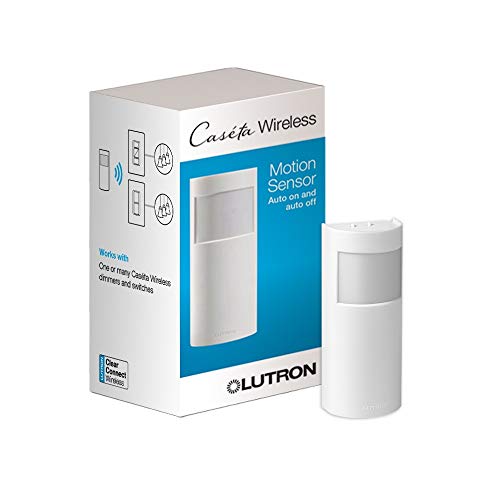 | Best Smart Sensor | Motion Sensing: Motion sensor | Wiring Need: Hub required | Circuit Type: Dimmer/switch compatible | VIEW LATEST PRICE | Read Our Analysis |
| SOZULAMP 3-Way Light Switch with LED Night Light |  | Best Night Light | Motion Sensing: Dusk-to-dawn sensor | Wiring Need: No neutral required | Circuit Type: 3-way | VIEW LATEST PRICE | Read Our Analysis |
| Sensky BS033C Motion Sensor Light Switch (Neutral Wire) |  | Best for Neutral Wire | Motion Sensing: PIR motion sensor | Wiring Need: Neutral required | Circuit Type: Single pole | VIEW LATEST PRICE | Read Our Analysis |
| 4 Pack Motion Sensor Light Switch White |  | Best 4-Pack | Motion Sensing: Motion sensor | Wiring Need: Neutral required | Circuit Type: Single pole | VIEW LATEST PRICE | Read Our Analysis |
| TP-Link Tapo Smart Light Switch (4-Pack) |  | Best Smart Switch | Motion Sensing: Smart switch | Wiring Need: Neutral required | Circuit Type: Single pole | VIEW LATEST PRICE | Read Our Analysis |
More Details on Our Top Picks
Lutron Caseta Smart Lighting Motion Sensor PD-OSENS-WH
Should you already use Lutron Caseta devices and want lights that turn on and off automatically whenever you enter or leave a room, the Caseta Smart Lighting Motion Sensor PD-OSENS-WH is a smart fit. You can pair it with Caseta dimmers, switches, fan controls, and Serena shades through the L-BDG2-WH Smart Hub. It supports occupancy and vacancy modes, plus preset light levels you set in the app. The battery-powered sensor installs wirelessly on a wall, corner, or flat surface. With a 180° view, 50-foot range, and up to 10-year battery life, it works well in hallways, garages, bathrooms, and laundry rooms.
- Motion Sensing:Motion sensor
- Wiring Need:Hub required
- Circuit Type:Dimmer/switch compatible
- Control Mode:App control
- Field of View:180°
- Mount Type:Wall/corner mount
- Additional Feature:10-year battery life
- Additional Feature:Active hours scheduling
- Additional Feature:Controls fan and shades
SOZULAMP 3-Way Light Switch with LED Night Light
The SOZULAMP 3-Way Light Switch with LED Night Light is a smart pick for anyone who wants a wall switch and night light in one, especially in hallways, bedrooms, bathrooms, and kitchens where low-light guidance matters. You get automatic dusk-to-dawn sensing, so the LED glows only whenever you need it and helps free up outlets. It works on 3-way circuits, needs no neutral, and supports LED, incandescent, CFL, halogen, and fluorescent loads. Its rocker design, durable polycarbonate build, and easy back or side wiring make replacement straightforward, while the white finish keeps things clean and simple.
- Motion Sensing:Dusk-to-dawn sensor
- Wiring Need:No neutral required
- Circuit Type:3-way
- Control Mode:Touch control
- Field of View:Not specified
- Mount Type:Wall mount
- Additional Feature:Built-in night light
- Additional Feature:No neutral required
- Additional Feature:Dusk-to-dawn sensor
Sensky BS033C Motion Sensor Light Switch (Neutral Wire)
Sensky’s BS033C motion sensor light switch is a smart pick for you whenever your setup includes a neutral wire and you want hands-free lighting control in a single-pole circuit. You get a 180° PIR occupancy sensor that turns lights on automatically whenever it detects motion and ambient darkness, then shuts them off after a delay you can set from 10 seconds to 7 minutes. The white, wall-mounted switch uses three wires, so check the diagram before wiring. It isn’t smart-home compatible, but it can still trim energy use and cut wasted runtime.
- Motion Sensing:PIR motion sensor
- Wiring Need:Neutral required
- Circuit Type:Single pole
- Control Mode:Manual override
- Field of View:180°
- Mount Type:Embedded
- Additional Feature:Adjustable time delay
- Additional Feature:PIR sensor detection
- Additional Feature:Energy-saving design
4 Pack Motion Sensor Light Switch White
EverElectrix’s 4 Pack Motion Sensor Light Switch in white is a strong fit for you in case you want a simple indoor upgrade with automatic lighting control and a neutral-wire setup. You get occupancy and vacancy modes, manual-on or auto-on operation, and an adjustable timer and sensitivity. Its 180° sensor catches movement without hand waving, then shuts the light off as soon as no motion remains. You’ll need a single-pole, four-wire installation, and a pro electrician is recommended. It’s UL certified, FCC compliant, and California Title 24 compliant, but it won’t work with 3-way circuits or smart home systems.
- Motion Sensing:Motion sensor
- Wiring Need:Neutral required
- Circuit Type:Single pole
- Control Mode:Manual-on/auto-on
- Field of View:180°
- Mount Type:Embedded
- Additional Feature:California Title 24 compliant
- Additional Feature:Adjustable sensitivity
- Additional Feature:Wall plate included
TP-Link Tapo Smart Light Switch (4-Pack)
TP-Link’s Tapo S500 smart light switch 4-pack is a strong pick should you want app, voice, and touch control without adding a hub, especially in homes with a neutral wire already in place. You can install it on a 1-way circuit, then use the Tapo app to guide setup and manage lights, fans, or other fixtures from your phone. Alexa, Google Assistant, and Bixby all work well, and you can set schedules, timers, and Away Mode. It’s UL certified, backed with a two-year warranty, and includes four switches, plates, wires, and screws.
- Motion Sensing:Smart switch
- Wiring Need:Neutral required
- Circuit Type:Single pole
- Control Mode:App/voice control
- Field of View:Not specified
- Mount Type:Wall mount
- Additional Feature:No hub required
- Additional Feature:Voice assistant support
- Additional Feature:Away mode automation
Factors to Consider When Choosing a Motion Light Switch
Upon you choose a motion light switch, check the wiring requirements first, including whether it needs a neutral wire. You’ll also want to compare the sensor’s detection range and decide whether an occupancy or vacancy setting fits your space better. Don’t forget to look for manual control options so you can override the sensor when needed.
Wiring Requirements
Before you buy a motion light switch, make sure its wiring requirements match your setup. Check whether your wall box has the right circuit type, because many switches only support single-pole, or 1-way, wiring and won’t work in 3-way or multi-location circuits. Count the wires you have and compare them with the product specs; some models need a simple 3-wire hookup, while others use 4 wires, including neutral and ground. Also verify the terminal style, whether it uses screw terminals, side terminals, or plug-in connectors, so you can connect it cleanly. Finally, confirm the switch matches your home’s voltage and current rating, such as 120–125V and 15A, so it operates safely and reliably.
Neutral Wire Needs
Another key factor is whether the switch needs a neutral wire. Some motion light switches need one to complete the circuit, while others work without it. You’ll often see neutral-wire designs in models with electronic sensors, app control, or advanced automation. Before you buy, check that your wall box actually has the neutral conductor available. It’s usually the wire bundle that returns power to the panel. If the switch requires a neutral, its wiring layout might differ from a basic mechanical switch, so compatibility matters. When your box doesn’t have a neutral wire, a no-neutral model can save you from rewiring or other electrical changes. That makes installation simpler and helps you choose a switch that fits your home without surprises.
Sensor Detection Range
Sensor detection range tells you how far away the switch can pick up movement, so it’s worth matching that range to the space you want to cover. Should you’re lighting a hallway, garage, or larger room, a longer range helps the sensor react before you enter. Many switches top out around 9 meters, while some smart models reach 50 to 60 feet whenever placement and conditions cooperate. Don’t ignore the viewing angle either; a 180° sensor can watch a wider area than a narrow one. You should also check motion sensitivity, since finer sensors catch smaller or slower movement within range. For the best fit, compare the advertised coverage with your room size, mounting height, corners, and nearby walls, which can shrink real-world detection.
Occupancy Versus Vacancy
As you’re choosing between occupancy and vacancy modes, the main question is whether you want the light to turn on for you or only turn off for you. An occupancy sensor detects motion and switches the light on right away, then shuts it off after a delay after the room empties. That makes it ideal as you walk in with full hands or want the space lit instantly. A vacancy sensor asks you to switch the light on yourself, but it still turns it off automatically after no movement. That can cut down on unnecessary auto-activation in rooms where you don’t need instant lighting. Both use motion detection and timed shutoff, so your choice comes down to auto-on convenience versus manual entry with automatic off later.
Manual Control Options
If you want more control over your motion light switch, look for manual override options like ON and OFF so you can keep the light on or off via hand whenever automatic mode isn’t useful. Some switches also offer manual-on or vacancy-style settings, so you can decide whether motion should start the light or only shut it off after you leave. Multiple operating positions make it easy to toggle between automatic and manual control without rewiring. If you want even more flexibility, choose a model with app, touch, or voice control alongside the wall switch. That way, you can handle quick changes fast. Manual control helps most in bedrooms, bathrooms, and hallways, where you might want to pause motion sensing for comfort, privacy, or late-night use.
Compatibility With Fixtures
Before you buy a motion light switch, make sure it matches the fixture you want to control. Check the label to confirm it supports your load, whether you’re switching standard lights, a ceiling fan, or another device. Verify the wiring matches your box, especially in case the switch needs a neutral wire; some models don’t. Also confirm the circuit setup fits your layout: a single-pole switch won’t handle a 3-way setup correctly. Compare the electrical ratings with your fixture’s needs, including voltage, current, and wattage, so you don’t overload the switch. Should your fixture be part of a smart system, make sure the switch works with your hub, app, or protocol and can directly control that device type.
Installation Environment
The installation environment can make or break how well a motion light switch performs, so check the room’s conditions before you buy. If you’re installing it indoors, confirm the switch’s temperature rating matches the space; many models only handle about 32°F to 104°F, or 20°C to 40°C. Next, inspect your wiring, because some switches need a neutral wire and specific connections, while others fit simpler setups. You should also measure the wall box and mounting depth, especially for recessed or wall-mounted units that need extra room. Then verify the circuit type; many motion switches work only on single-pole circuits, not 3-way wiring. Finally, consider humidity, traffic, and how the lights behave so the sensor triggers reliably without constant false activations.
Smart Home Features
Smart home features can turn a basic motion light switch into a more convenient part of your home setup. You can check status, switch lights on or off, and adjust settings from your phone or tablet instead of walking to the wall. Should you use voice assistants, you can also control compatible switches with simple spoken commands. Look for automation tools like schedules, timers, countdowns, and away modes that make your lighting feel more intentional. Some advanced models let you fine-tune occupancy behavior, such as active hours, preset brightness, and whether lights react automatically or only after manual activation. Before you buy, confirm compatibility. Some switches need a hub or special wiring, while others connect directly over Wi‑Fi and work without extra hardware.
Frequently Asked Questions
Can Motion Switches Work Without Wi-Fi?
Yes, motion switches can work without Wi Fi. They still provide automatic lighting with built in sensors and manual controls, but app features, remote scheduling, and voice assistant support will not be available.
Are Motion Light Switches Compatible With LED Bulbs?
Yes, motion light switches work with most LED bulbs. Use a dimmer compatible switch and LED bulbs labeled for motion or occupancy control.
Do Motion Switches Work in Outdoor Locations?
Yes, motion switches can work outdoors when you choose weather rated models and install them in protected enclosures. You will get more reliable performance with proper sealing, careful sensor placement, and settings adjusted for wind, rain, and passing animals.
How Difficult Is Motion Switch Installation?
Motion switch installation is usually fairly straightforward when you are swapping out an existing switch. It becomes more complicated if the wiring is old or the electrical box does not have a neutral wire. Shut off the power, follow the manufacturer’s wiring steps, and bring in an electrician if anything seems unclear.
Can One Switch Control Multiple Rooms?
Yes. If the rooms share the same lighting circuit, one switch can control them together, but it will not usually handle separate rooms on independent circuits. Think of a single switch turning on several connected lights at once.
Final Thoughts
Choosing the right motion light switch can make your home feel instantly smarter and more convenient. Whether you want the reliable range of Lutron Caseta, the 3-way flexibility of SOZULAMP, or app control from TP-Link Tapo, there’s a fit for every room. Nearly 70% of homeowners say smart lighting improves daily convenience, and you’ll likely feel that difference fast. Pick the switch that matches your wiring, layout, and automation goals.