

Nearly 60% of smart home buyers say motion-triggered automation is one of the initial features they want, and you’ll see why as a sensor reacts the moment you need it. Whether you want seamless Hue lighting, flexible Zigbee control, wider driveway coverage, or a hardwired flood light, the right pick depends on how fast it responds and where you install it. One choice stands out, but the details matter more than you may expect.
| Philips Hue Motion Sensor for Smart Lights | 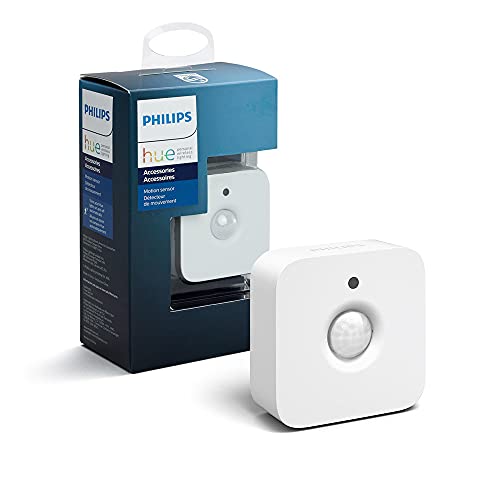 | Best for Hue | Power Source: Battery powered | Mount Type: Wall mount | Outdoor Use: Outdoor zones | VIEW LATEST PRICE | Read Our Analysis |
| Aqara Zigbee Motion Sensor P1 3-Pack |  | Best Smart Hub | Power Source: Battery powered | Mount Type: Stand/base | Outdoor Use: Home security use | VIEW LATEST PRICE | Read Our Analysis |
| BESTOONE Motion Sensor Driveway Alarm with 4 Detectors |  | Best for Security | Power Source: Battery powered | Mount Type: Wall mount | Outdoor Use: Driveway use | VIEW LATEST PRICE | Read Our Analysis |
| GLOBE Electric 240W Twin Head Motion Sensor Flood Light |  | Best Outdoor Light | Power Source: Hardwired | Mount Type: Wall/eave mount | Outdoor Use: Outdoor rated | VIEW LATEST PRICE | Read Our Analysis |
| Globe Electric Twin Head Motion Sensor Flood Light |  | Best Two-Pack | Power Source: Hardwired | Mount Type: Wall/eave mount | Outdoor Use: Outdoor rated | VIEW LATEST PRICE | Read Our Analysis |
More Details on Our Top Picks
Philips Hue Motion Sensor for Smart Lights
Should you already use Philips Hue smart lights, the Philips Hue Motion Sensor is a strong pick for automating them with almost no effort. You need a Hue Bridge, but once it’s set up, you can trigger lights with simple motion detection and manage them from anywhere. Its battery-powered, wireless design means no wiring or Wi‑Fi drain, and the included AAA batteries get you started fast. Place it with the magnetic mount or single screw in hallways, stairs, garages, or outdoor zones. Use the Hue app to tune lighting during time of day for better convenience.
- Power Source:Battery powered
- Mount Type:Wall mount
- Outdoor Use:Outdoor zones
- Motion Detection:Motion sensing
- Lighting Control:Smart light automation
- Color:White
- Additional Feature:Requires Hue Bridge
- Additional Feature:Matter support
- Additional Feature:Time-of-day presets
Aqara Zigbee Motion Sensor P1 3-Pack
The Aqara Zigbee Motion Sensor P1 3-Pack is a strong pick for anyone already using an Aqara Zigbee 3.0 hub and wants reliable motion detection for automations, security, and lighting control. You’ll need that hub, and Aqara Home, HomeKit, Alexa, IFTTT, or Home Assistant can integrate it. You get a 170° or 150° range, three sensitivity settings, and a 1–200 second timeout. Battery life can last five years, and the included AAA batteries make setup easy. Use the 3-pack to trigger lights, plugs, alarms, and energy-saving routines.
- Power Source:Battery powered
- Mount Type:Stand/base
- Outdoor Use:Home security use
- Motion Detection:PIR motion sensing
- Lighting Control:Light automation
- Color:White
- Additional Feature:170° field view
- Additional Feature:Five-year battery life
- Additional Feature:Adjustable 360° stand
BESTOONE Motion Sensor Driveway Alarm with 4 Detectors
BESTOONE’s Motion Sensor Driveway Alarm with 4 Detectors is a smart pick for anyone who wants broad coverage around a front door, driveway, walkway, or garage without hardwiring a system. You get 4 detectors and 2 alarm receivers, so you can spot movement from up to 20 feet and hear alerts through 38 chimes, LED flashes, or silent mode. It runs on 3 AAA batteries per unit and transmits up to 300 feet. Mount it indoors or in sheltered spots, and keep paths clear to cut false alarms from wind or trees.
- Power Source:Battery powered
- Mount Type:Wall mount
- Outdoor Use:Driveway use
- Motion Detection:Infrared motion sensing
- Lighting Control:LED alert
- Color:White
- Additional Feature:Four motion detectors
- Additional Feature:38 chime tunes
- Additional Feature:Silent LED mode
GLOBE Electric 240W Twin Head Motion Sensor Flood Light
With 110° motion coverage and a 60-foot detection range, the GLOBE Electric 240W Twin Head Motion Sensor Flood Light is a strong pick for you should you want dependable coverage around a driveway, garage, or entryway. You can set it to stay on for 1, 5, or 10 minutes, and you can fine-tune sensitivity for fewer false triggers. Its hardwired design, wall or eave mount, and adjustable swivel arms make installation flexible. You get weather-resistant bronze construction, up to 3200 lumens, and compatibility with LED or incandescent PAR38 bulbs.
- Power Source:Hardwired
- Mount Type:Wall/eave mount
- Outdoor Use:Outdoor rated
- Motion Detection:Motion sensor
- Lighting Control:Flood light
- Color:Bronze
- Additional Feature:Adjustable swivel arms
- Additional Feature:3200 lumens output
- Additional Feature:2-year warranty
Globe Electric Twin Head Motion Sensor Flood Light
Globe Electric’s Twin Head Motion Sensor Flood Light is a smart pick in case you want broad outdoor coverage with adjustable sensitivity and timing. You get motion activation from all angles up to 60 feet, with a 110° detection zone and an adjustable range from 8 to 60 feet. Set the auto-off timer for 1, 5, or 10 minutes. Install it with the dual-mount design, hardware included, and aim the sensor up or down. It needs two E26 PAR38 bulbs, sold separately, and works with incandescent or LED bulbs. Its hardwired, weather-resistant resin build handles outdoor exposure.
- Power Source:Hardwired
- Mount Type:Wall/eave mount
- Outdoor Use:Outdoor rated
- Motion Detection:Motion activated
- Lighting Control:Flood light
- Color:Resin finish
- Additional Feature:Adjustable motion range
- Additional Feature:Rubber washer protection
- Additional Feature:Bulbs sold separately
Factors to Consider When Choosing a Motion Sensor
When you choose a motion sensor, start with the detection range and sensitivity settings so it catches movement where you need it to. You’ll also want to consider the power source and installation type, since they affect setup and upkeep. In case you use smart devices, check the sensor’s smart home compatibility so it fits your system.
Detection Range
Detection range is one of the most essential factors to get right, because a sensor should match the size and layout of the space you want to protect. You’ll see models that cover about 4 meters and others that reach 60 feet or more, so choose based on the area you need to watch. A wider field of view, from roughly 110° to 170°, helps you catch movement across open spaces instead of only straight ahead. Whenever you want more control, pick a sensor with adjustable range settings so you can shorten or extend coverage. In driveways and hallways, longer range works well; in small rooms, shorter range can cut false triggers. Also, place the sensor within the recommended distance of its hub or receiver.
Power Source
Power source matters because it affects where you can install the sensor and how much upkeep it’ll need. You can choose battery-powered models for easy wireless placement or hardwired sensors for continuous power with no battery swaps. Check whether the unit uses common replaceable batteries like AAA, how many it needs, and whether they’re included. Battery life matters too: some motion sensors run for years on one set, while others need replacement much sooner. When you’re placing the sensor outdoors or in a hard-to-reach spot, a longer-lasting battery or wired option can save you time and hassle. Make sure the power source fits the sensor’s design, since some are fully wireless and others must connect to household electricity for operation.
Installation Type
Installation type goes hand in hand with power source, since a battery-powered wireless sensor usually gives you more placement freedom than a hardwired or corded model. You’ll want to check how much work setup takes and where you can place it. Look for wall, eave, magnetic, screw-on, or adjustable stand mounts, because each one changes your placement options. If you want a simple install, choose a sensor that needs no assembly and includes mounting hardware, so you don’t have to hunt for extra parts. Some models also need a hub or bridge, which can affect where you install them. For outdoor use, make sure the housing supports weather resistance or waterproofing, so the mounting style matches the environment and keeps the sensor reliable.
Smart Home Compatibility
Smart home compatibility matters because a motion sensor only works well whenever it fits your existing setup. Before you buy, check whether it needs a dedicated hub, bridge, or controller, since some sensors only function inside one platform. Confirm the ecosystems it officially supports, including app-based automation systems, voice assistants, and home automation platforms, so you don’t end up with a device that won’t connect. You should also verify the wireless protocol; Zigbee can blend into many setups, while platform-specific links may lock you in. Look for support for lights, alarms, plugs, or scenes whenever you want more than basic motion alerts. Finally, make sure the sensor can stay within your hub’s required range for stable performance.
Sensitivity Settings
Sensitivity settings can make the difference between a motion sensor that feels dependable and one that constantly annoys you. You should choose a sensor with multiple levels, like high, medium, and low, so you can match detection to the space. In a hallway or on stairs, a moderate or low setting often works better than maximum sensitivity. When you’re covering a larger area, a higher setting can improve reach, while a lower one can reduce false triggers from small movements. Adjustable detection range helps you fine-tune coverage, and configurable timeout or trigger duration lets you control how long the sensor stays active after motion. Whenever pets, traffic, or moving trees are nearby, sensitivity adjustment becomes especially critical for filtering minor motion and preventing unnecessary activations.
Weather Resistance
As you’re choosing a motion sensor for outdoor use, weather resistance should be high on your list. Pick a model with a weather-resistant or waterproof housing so it can stand up to rain, sun, and snow without failing. Should the sensor face the elements, check that its materials and seals are meant for exterior use, not just indoor mounting. Weather-resistant sensors work better on driveways, garages, patios, and pathways, where moisture and temperature swings happen often. Should you choose a sensor that isn’t waterproof, keep it under cover or in a protected spot to help prevent damage and false triggers from rain. In colder or harsher climates, choose one rated for reliable low-temperature operation so it stays dependable year-round.
Automation Features
Automation features can make a motion sensor far more useful, since you can set it up to trigger different actions based on time of day, presence, or sensitivity instead of relying on one fixed response. Look for models that can switch lights or devices on as motion starts, then shut them off after a delay you choose, whether that’s 1 to 200 seconds or a few minutes. Strong sensors also support IF/THEN rules, so one trigger can activate lights, alarms, or smart plugs at once. That gives you both convenience and security. You should also check for alert options like sound alarms, light alarms, or phone notifications. Finally, make sure you can adjust automation remotely through an app or hub without reinstalling the sensor later.
Frequently Asked Questions
How Far Can These Motion Sensors Detect Movement?
Motion sensors typically detect movement from about 10 to 30 feet away, and some models can reach 50 feet or more. The actual range depends on the lens design, installation location, and sensitivity settings.
Do Motion Sensors Work Reliably in Cold Weather?
Yes, many motion sensors still work well in cold weather. Some PIR models have been shown to keep 95% accuracy below freezing. To keep detection steady, use fresh batteries, prevent moisture buildup, and place the sensor carefully.
Can I Adjust Motion Sensitivity and Detection Range?
Yes, most sensors let you change both settings. You can lower sensitivity to cut false alarms and adjust the detection range or viewing angle through the app, switches, or sensor placement, depending on the model.
Are These Sensors Compatible With Voice Assistants?
Yes. If the sensors work through a compatible bridge or hub, they can connect with voice assistants like Alexa, Google Assistant, or Siri. That lets you check status, trigger automations, and control connected lights by voice, depending on the model.
How Long Do Battery-Powered Motion Sensors Typically Last?
Battery powered motion sensors usually last 1 to 3 years, depending on how often they are triggered, the battery type, alert settings, and temperature. Sensors that send frequent alerts, use Wi Fi, or operate in cold conditions often need replacement sooner.
Final Thoughts
You’ve got plenty of great choices here, so pick the motion sensor that fits your setup best. If you want instant smart lighting, the Philips Hue Motion Sensor is a great match; for flexible whole-home control, the Aqara P1 stands out. Need outdoor coverage? The BESTOONE driveway alarm works well, while the GLOBE Electric flood light adds strong hardwired security. For example, if you only want hallway lights to turn on when you walk in, Hue makes it effortless.