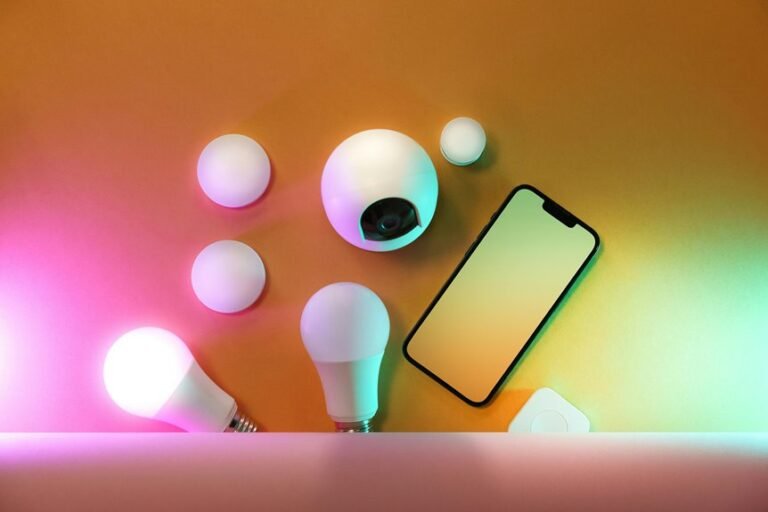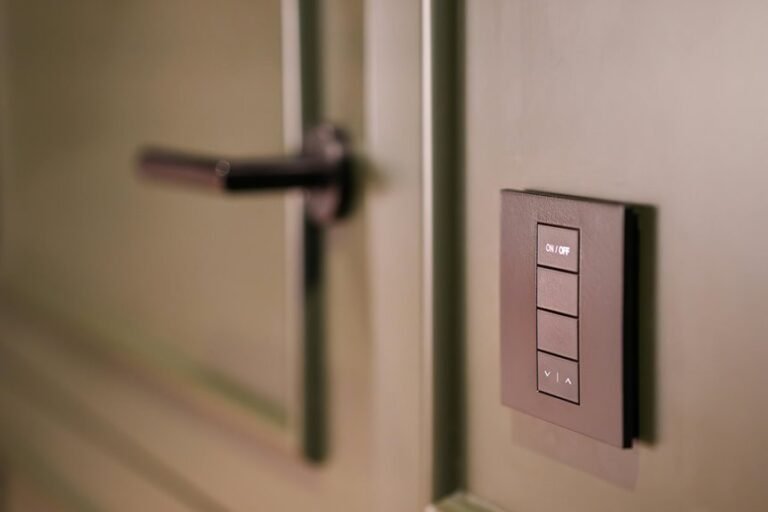

Smart lighting cuts energy use by sending light only where and for as long as it’s needed. LEDs, motion sensors, dimmers, and timers work together to trim waste without making rooms feel dark or inconvenient. That means lower power bills and a home that still feels comfortable every day. A few simple settings can save more energy than most people expect.
Does Smart Lighting Save Energy?
Yes, smart lighting does save energy, and the difference can be big. When you choose it, you join many homes and businesses that waste less and feel more in control. Smart systems pair efficient LEDs with sensors, timers, and dimming, so lights work only when you need them. That simple shift can cut lighting electricity use by 50 to 80 percent compared with older setups.
That matters because your space becomes part of a smarter, more responsible community. You also gain useful insight from energy audits, which show where lighting waste hides. From there, utility incentives can lower upfront costs and make the upgrade feel easier.
In offices, stores, and shared spaces, smart lighting often trims bills fast, reduces maintenance, and helps everyone feel good about using energy with care every single day.
How Smart Lighting Reduces Power Use
Because smart lighting responds to real conditions in your space, it cuts power use at the source instead of wasting electricity all day. You get light only where and whenever your group needs it, which feels both practical and welcoming.
Motion sensors switch lights off in empty rooms. Schedules prevent overnight waste. Daylight harvesting dims fixtures whenever sunlight already fills the space. Smart dimmers lower output without leaving anyone in the dark, so your home or workplace stays comfortable and connected.
With energy monitoring, you can spot patterns, fix waste fast, and help everyone use less without stress. Networked controls also support grid optimization through easing demand during peak times. Together, these features help you share a smarter, cleaner environment where lighting works with your routine, not against it every single day for everyone.
Smart Lighting vs Traditional Lighting Costs
When you compare smart lighting to traditional lighting, you’ll notice the upfront cost is usually higher, and that can feel like a big step.
But you can also see how lower energy use, with savings of 50 to 80 percent in many setups, helps your system pay you back over time.
On top of that, you won’t replace bulbs as often, so you cut maintenance costs and avoid the steady drain that comes with older lights.
Upfront Installation Costs
Although smart lighting usually costs more to install than traditional lighting at the start, that higher price often comes from added value you can actually use right away, such as LED fixtures, occupancy sensors, dimmers, scheduling controls, and wireless setup options.
As you compare systems, smart setups can feel like joining a better-equipped team.
| Cost Area | What You Notice |
|---|---|
| Fixtures | LEDs cost more upfront |
| Controls | Sensors add hardware costs |
| Wiring | Wireless can reduce labor |
| Setup | Programming takes planning time |
| Scope | Retrofits might need updates |
That’s why installation budgeting matters at an early stage. When you map fixture counts, control zones, labor, and permits, you avoid surprises and keep your project grounded. Good retrofit planning also helps your space fit in with modern expectations, without feeling overburdened. You’re not just buying lights; you’re building a setup your people can trust.
Long-Term Energy Savings
While the upfront price can look higher, the long-term math usually shifts in your favor fast. As you compare smart lighting with traditional lighting, you don’t just see a lower monthly bill. You join a smarter, more efficient way to run your space.
A solid lifecycle cost analysis shows how LEDs, sensors, dimming, and scheduling cut electricity use by 50 to 80 percent, so your savings keep building year after year.
- Occupancy sensors and schedules reduce waste as rooms are empty
- Daylight harvesting lowers power use during bright daytime hours
- Automated LED systems can trim commercial lighting electricity by 60 to 80 percent
That means your retrofit payback often arrives sooner than expected. In many offices and midsize buildings, you can save thousands each year and tens of thousands over a decade.
Maintenance And Replacement
Lower power bills are only part of the story, because maintenance and replacement costs can quietly drain your budget over time. With traditional lighting, you deal with frequent bulb changes, more labor, and surprise outages that disrupt your space. That adds stress no one in your team wants.
Smart lighting helps you stay ahead. LEDs last far longer than incandescent bulbs, so your replacement cycles stretch out instead of piling up. Then smart systems track run hours and performance, which makes maintenance schedules easier to plan.
You can spot issues promptly, replace fewer fixtures, and avoid wasting time on lights that still work fine. In shared spaces, that reliability matters. Your home, office, or facility feels more cared for, and everyone benefits from smoother operations, fewer interruptions, and costs that stay far more predictable year after year.
Which Smart Lighting Features Save the Most?
Should you want the biggest savings, you should start with the features that cut wasted light fast and often.
Occupancy and motion sensors switch lights off whenever rooms are empty, while scheduling and automation keep lights running only during times you need them.
Daylight harvesting controls add even more savings via dimming lights whenever sunlight already does part of the job.
Occupancy And Motion Sensors
Because they react the moment a room is empty, occupancy and motion sensors often deliver the fastest and biggest lighting savings in a smart system. You save power without feeling left out, because lights respond to how your space is actually used. With smart sensor placement, you cover entry points, desks, hallways, and shared rooms more effectively. Good motion detection also keeps lights from staying on whenever no one’s there.
- Place sensors where people naturally pass initially
- Match sensor range to room size and layout
- Use reliable sensitivity settings to avoid false triggers
That practical setup matters because every missed vacancy wastes energy. In homes and workplaces, these sensors help your group build better habits together. You get comfort, convenience, and lower bills, while your lighting quietly supports the way everyone belongs and moves.
Scheduling And Automation
While sensors react in the moment, scheduling and automation help you prevent waste before it starts. You set lights to match real routines, so empty rooms don’t stay bright after everyone heads home. That simple change can cut lighting bills by 20 to 40 percent in many buildings.
You also create a more welcoming rhythm for your space. With calendar based controls, your lights follow workdays, holidays, and special events without constant check-ins. Then scene based automation lets you group fixtures for tasks, meetings, cleaning, or closing time, so you use only the light your people need.
Together, these tools make your home or workplace feel cared for, efficient, and easy to manage. You stay in control, and your community enjoys comfort without wasted power every single day.
Daylight Harvesting Controls
Schedules set the plan, and daylight harvesting fine-tunes it throughout the day. You save more whenever your lights respond to the sun instead of fighting it. With the right daylight sensor placement, fixtures dim as sunlight grows and brighten only whenever clouds roll in. That keeps your space comfortable, efficient, and welcoming for everyone inside.
To make it work well, you need strong setup and steady tuning:
- Use careful daylight sensor placement near windows, not in direct glare.
- Set natural light calibration so light levels feel even across shared spaces.
- Pair dimming controls with LEDs for deeper savings and smoother changes.
This feature helps your group enjoy bright, balanced rooms without wasting power. It also supports the bigger goal you care about: cutting energy use together while making your place feel thoughtfully designed.
How Motion Sensors Cut Energy Waste
If you add motion sensors to your lighting system, lights stop running for empty rooms and start working only once someone is actually there. That means you save power without chasing switches, and your space feels cared for, not wasteful. In shared homes or offices, that simple change helps everyone feel part of a smarter routine.
| Motion sensor benefit | What you notice |
|---|---|
| Empty rooms stay dark | Lower bills, less waste |
| Busy areas light up fast | More comfort and safety |
You can fine tune security settings so halls, entries, and storage areas respond the way your group needs. In pet friendly homes, smart placement helps avoid false triggers while still making daily life easy. As people come and go, occupancy sensors can cut lighting bills by 20 to 40 percent.
How Dimming Improves Lighting Efficiency
When you dim your lights, you lower wattage right away, so you use only the power you truly need. You also put less stress on the bulbs, which helps them last longer and saves you money on replacements.
Better yet, smart dimming adapts light output to the room, so you stay comfortable without wasting energy.
Lower Wattage Through Dimming
Because dimming lowers the power sent to a light, you use less wattage the moment the room doesn’t need full brightness. That means your fixtures work smarter for your shared spaces, whether you’re relaxing, working, or welcoming friends. With beam control, you direct light where it matters, so you don’t waste energy on empty corners.
Then scene tuning lets you match output to the mood and task, helping everyone feel comfortable and included.
- Lower brightness means lower power draw right away
- Focused light cuts waste in overlooked areas
- Tuned scenes support comfort without overlighting
As a result, your lighting system responds to real needs instead of staying stuck at full output. You save energy quietly, keep rooms inviting, and create a space that feels like it truly fits your people every day.
Extended Bulb Lifespan
As you dim your lights, you don’t just cut energy use, you also help each bulb last much longer. When a bulb runs at lower output, it creates less heat and faces less stress. That matters because heat is a major reason bulbs wear out prematurely. So, when you choose dimming, you support better bulb durability and give your lighting a steadier, gentler workload.
That longer life helps your whole space feel easier to manage. You won’t need to change bulbs as often, and your replacement intervals can stretch out in a practical way. In shared homes, offices, or community spaces, that means fewer disruptions and lower upkeep. You get reliable light, less hassle, and a setup that works with you, not against you, day after day, for everyone around you.
Adaptive Light Output
Picture your lights responding in real time instead of shining at full power all day. With adaptive brightness, you use only the light you need, whenever you need it. That means lower energy waste, gentler rooms, and a space that feels made for everyone in it.
As your day shifts, situation aware illumination helps your system dim for sunlight, brighten for tasks, and soften while rooms empty. You stay comfortable, and your lighting works with you, not against you.
- Dimming cuts electricity use without hurting comfort
- Sensors match output to occupancy and daylight
- Softer light creates a calmer, more welcoming feel
Because LEDs already save major power, adding dimming enhances efficiency even more. You join a smarter, more caring way to light shared spaces, and yes, your bulbs get a lighter workload too.
How Scheduling Prevents Wasted Electricity
Set it and forget it works well with smart lighting, since scheduling makes sure lights run only whenever you actually need them. You create a routine that fits your life, so your home feels welcoming without wasting power. With night scheduling, lights dim or switch off after bedtime, which stops empty rooms from glowing for hours.
That same control helps your whole household stay on the same page. You can set morning, workday, evening, and weekend patterns, so lights match real activity instead of guesswork.
In busy seasons, holiday timers keep decorations cheerful without letting them burn all night. Scheduling also pairs well with LEDs, which already use far less energy than older bulbs. Together, they cut waste, lower bills, and help you feel good being aware your space runs smarter for everyone at home.
How App Control Helps Save Energy
While schedules handle the routine, app control gives you a fast way to stop waste the moment life changes. When you leave home and notice a light stayed on, remote app access lets you switch it off right away. That small action helps you feel in control, not frustrated.
App control also makes saving energy feel easy and shared, which matters when your home works as a team. You can dim lights, check rooms, and make quick changes without walking around.
- Turn off forgotten lights from anywhere
- Lower brightness when full light isn’t needed
- Check lighting status before bed or after leaving
And if your hands are full, voice assistant control helps you act instantly. Together, these tools help you waste less power and keep your space comfortable every day.
Where Smart Lighting Saves the Most Energy
In the places you use lights the longest, smart lighting usually saves the most energy. You’ll see the biggest impact in spaces that stay bright for hours, like open offices, classrooms, kitchens, lobbies, and shared hallways. Because your group moves through these areas all day, sensors and schedules stop lights from burning whenever nobody’s there.
That same pattern shows up in busy business settings. In retail displays, smart dimming keeps products visible without wasting power after peak hours. In warehouse aisles, motion sensors light only the sections your team uses, so empty rows don’t glow all night.
You also save more in garages, stairwells, bathrooms, and outdoor paths where use changes often. Whenever your lighting matches real activity, your space feels welcoming, efficient, and part of a smarter community every day.
How Much Can Smart Lighting Save?
How much can smart lighting really save you? In many homes and shared spaces, you can cut lighting electricity use from 50 to 80 percent whenever you switch to LEDs with smart controls. That means real energy savings you can feel, not just numbers on a bill.
Here’s where the biggest gains often come from:
- Occupancy sensors switch lights off in empty rooms.
- Scheduling keeps lights from running longer than needed.
- Dimming and daylight harvesting lower output while sunlight helps.
For a simple cost comparison, LEDs use up to 75 percent less energy than incandescent bulbs and last far longer, so you also spend less on replacements. In offices and community spaces, smart lighting often lowers lighting bills from 20 to 40 percent.
You’re not just saving money. You’re joining a smarter, more efficient way to live.
Common Smart Lighting Mistakes to Avoid
Because smart lighting can save so much energy, it’s easy to expect fast results and then miss the small setup mistakes that quietly drain those savings. You’re not alone whenever that happens. Many people lose savings through installation errors, like placing occupancy sensors where they can’t detect movement well or skipping schedules that turn lights off at the right time.
Just as vital, compatibility pitfalls can hold your system back. Whenever your bulbs, dimmers, switches, and apps don’t work smoothly together, lights may stay brighter longer, respond slowly, or fail to automate at all. You’ll also waste energy whenever you ignore daylight settings, leave default brightness too high, or forget to update controls.
Whenever you fine-tune your setup, your space feels smarter, more comfortable, and more in sync with everyone around you each day.
How to Choose Energy-Efficient Smart Lighting
When you’re choosing energy-efficient smart lighting, start with the two features that save the most power: LED bulbs and strong controls that actually reduce wasted light. Then check fixture compatibility, so your bulbs, switches, and app work well together. You’ll also want product certifications, because trusted labels help you spot options that use less energy and perform better over time.
As you compare systems, look for controls that fit your daily routine and make saving energy feel easy for everyone in your space.
- Choose LEDs that use less power and last much longer.
- Pick occupancy sensors, dimming, scheduling, and daylight harvesting.
- Check standby energy use in hubs, switches, and bulbs.
- Match brightness and color to each room’s real needs.
That way, your lighting feels smart, welcoming, and part of your community too.
Frequently Asked Questions
Can Smart Lighting Integrate With Solar Power Systems?
Yes, smart lighting can work with solar power systems. It uses available solar energy more effectively, improves off grid performance, and supports sensor based schedules that reduce unnecessary power use in homes and businesses.
What Cybersecurity Risks Come With Connected Smart Lighting?
Connected smart lighting can let intruders take control of bulbs, collect usage patterns, or use weak devices as a path into your home network. Reduce these risks with encrypted devices, unique passwords, regular firmware updates, and a separate network for smart equipment.
How Difficult Is Smart Lighting Installation in Older Buildings?
Smart lighting can often be added to older buildings without major disruption. The main steps are checking whether the existing wiring can support the new system and planning how fixtures will be retrofitted. Wireless controls, motion sensors, and LED lighting make upgrades more practical while helping reduce the need for extensive rewiring.
Do Smart Lighting Systems Work During Internet Outages?
Many smart lighting systems still work during internet outages because local control keeps schedules, motion sensors, and wall switches active. Remote app access may stop, but lights in shared spaces can still respond normally.
What Rebates or Tax Incentives Exist for Smart Lighting?
Many utility companies, state agencies, and federal programs offer rebates or tax incentives for smart lighting upgrades. Check with your electric provider, state energy office, and current federal programs to see what applies to your project. These incentives can lower upfront costs and improve energy efficiency.